

Medically reviewed by Stephanie Wright, RN, BSN, registered nurse
The pre and post menopause life is very different. Pre-menopause is carefree and fun (outside of all the issues that come with being a woman). Then post-menopause is maybe a little bit less fun. But there is life after menopause! Don’t let anyone tell you different. What a lot of people don’t tell you is that the pre-to-post menopause transition lasts a long time. Seven years on average! That’s seven years of trying to manage the unpredictable changes your body is going through. And doing it without committing a crime because you can find yourself in a rage for no reason.
You’ve heard of the “Seven Year Itch”? This is basically like that, but one of those words starts with a B. And if you’re lying in bed at 3am in a sweat while reading this, you’ll know what we’re talking about.
Despite all this doom and gloom, there is a bright side. We have a handful of items that can alleviate a lot of these symptoms.
Non-Hormonal Hot Flash Relief: Bonafide Relizen
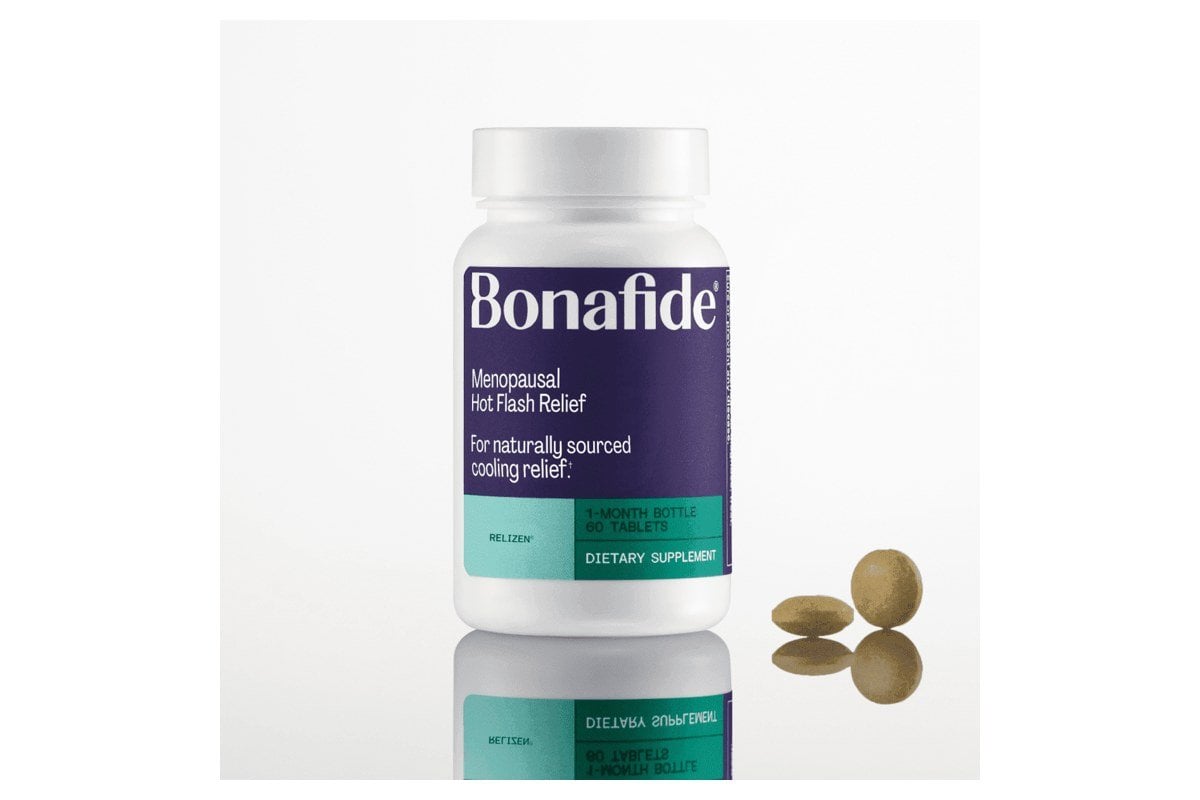
Bonafide Relizen sounds like some German techno band from the 80s. But it is actually a Swedish flower pollen extract that has been used in a small number of clinical trials to study hot flashes. If you Google Bonafide Relizen you’ll see the number “200-plus studies” thrown around everywhere. But that’s a bit misleading because while it has been involved in 200-plus studies, not all of those have been testing it for hot flashes. That number is much smaller. But that’s not to say it isn’t worth trying. One very important thing to note is that it has not been established as safe for women with breast cancer. That’s not to say it’s unsafe! If you have had breast cancer, check with your oncologist before taking it. And even if you haven’t had breast cancer, you should check with your general physician before adding it to your shopping list.
One other note, they usually recommend giving it 6-12 weeks to work. So while that will feel like forever, stick with it to see if it can help.
The Daily Gummy: Lemme Meno

Want something that tastes like candy, but helps with your mood? Lemme Meno Gummies (which has 4mg of ERr 731, same standardized rhubarb extract used in the research) can add a little cheer to your day. These aren’t the gummies your nephews buys down at the dispensary. There’s no CBD or THC in them and they won’t get you that cheery. The ingredients are a mix of ashwagandha and lemon balm which can help with sleep and make you a little more calm (without going too mellow.) And on the plus side, it only has 2g of sugar per gummy.
The Prescription Path: Midi Virtual Clinic

“Empowering women (and the health care providers who care for them) with knowledge about menopause is key.”
— Dr. Stephanie Faubion, MD, Medical Director, The Menopause Society
As with anything, women’s health issues seem to get less medical training in med schools than general issues and male-focused health issues (this is anecdotal because it sure feels that way.) Sigh. And this is while many clinicians are asking to get more medical training for things like dealing with menopause. But finally, there are options like, Midi, which are staffed with only menopause-specialized clinicians. They accept most major insurance plans, too. If your current doctor just tells you to “just push through it” then you may want to set up a call with Midi. And since they are virtual and you can see them from anywhere, they’ll usually be able to see you within a week.
For Cycle Bloat + Mood: Mixhers Hertime
“Feelings of anxiety or depression can happen during menopause due to the fluctuation of estrogen and another key hormone, progesterone, in your body.”
— Dr. Adele Viguera, MD, psychiatrist, Cleveland Clinic
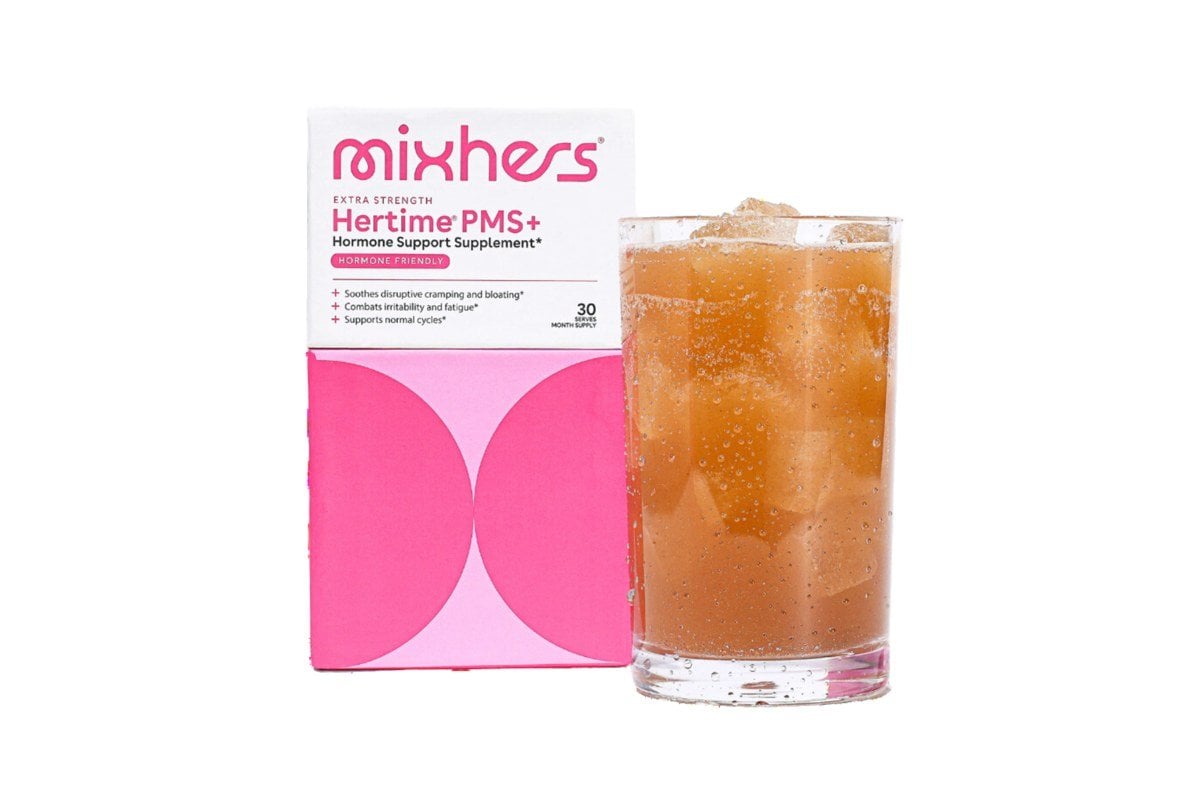
Do you still have cycles but they are all out of whack? Are they irregular and even less fun than your previous cycles? Then give Mixhers Hertime drink that has a stack of vitex, ashwagandha, and electrolytes to help make them a little nicer.
This is not a hormone replacement. It’s a daily system for cycle-related symptoms.
For PMS Specifically: Flo Gummies
Is your PMS getting worse and worse with each cycle? That could be a sign of perimenopause (but it’s not a guarantee that perimenopause is starting…) If it is perimenopause, what’s happening inside your body is your estrogen levels are starting to fluctuate. And that can cause lower back pain, tenderness of the breast and mood swings. As well as cramping…always always always cramping. It can also have an impact on the length of your cycles. Some women have shorter cycles, while others have longer. And then that can even swap after a year. It’s a real crapshoot. Anyway, this should all level out once you get through menopause. So it’s a bit of waiting.
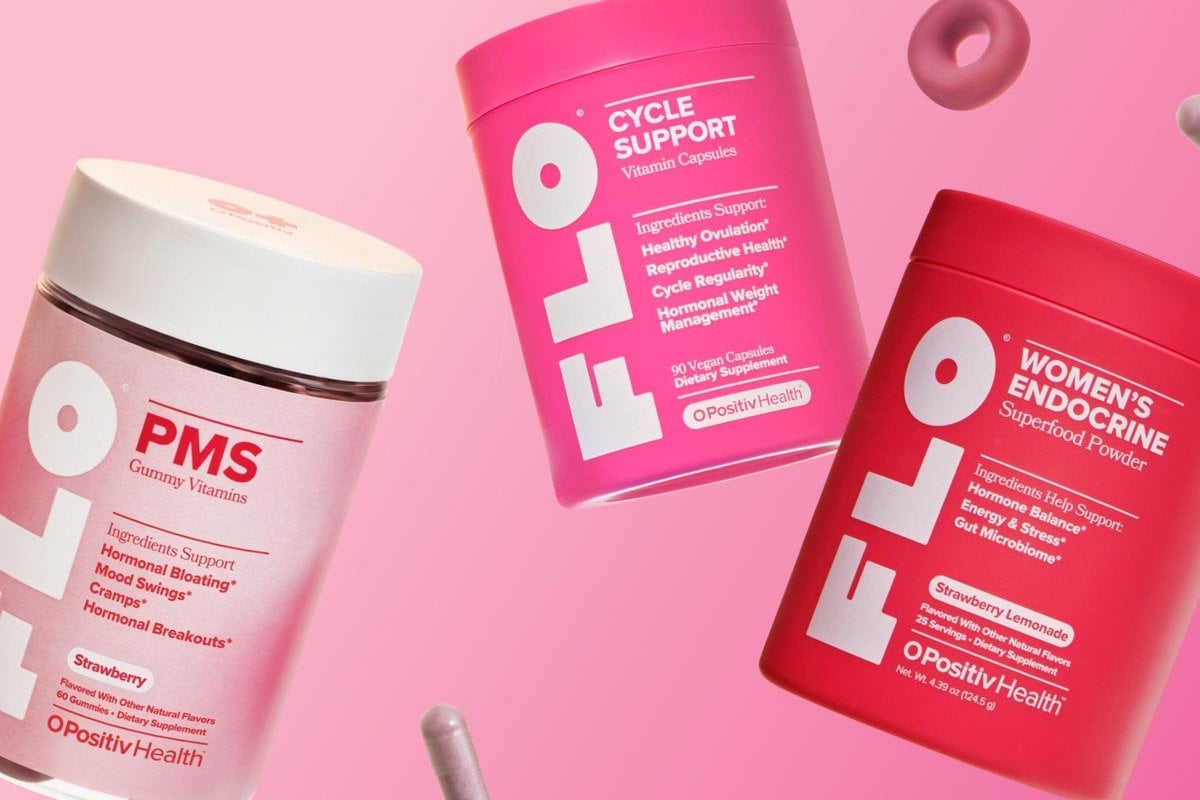
If you’re having really bad weeks before your period, Flo PMS Gummies use vitex (chasteberry), an ingredient that has been studied for PMS symptoms. Whether this product delivers what those studies used is not something the available evidence settles. It usually takes somewhere around 2-3 cycles to reach its full effect. It’s helpful for moderating PMS symptoms.
Sleep: Thorne Magnesium

“In my practice, I’ve found magnesium to be one of the most reliable interventions for menopause related sleep issues.”
— Dr. Mary Claire Haver, MD, OB/GYN, author of The New Menopause
“Yes!! It is the only thing that has helped me. I had insomnia for 25 years, on and off ambien and trazadone. Magnesium has completely changed my sleep for the best!”
— a woman in r/Menopause
If you’ve been on Instagram you’ve heard about the importance of cortisol and core temperature. Thorne Magnesium Bisglycinate is a well-absorbed form that tends to be gentler on the gut than magnesium oxide. Calling it the form that calms the nervous system goes further than the evidence does, and there is no established bedtime dose for menopausal sleep. Ask your doctor before adding it, particularly if your kidney function is reduced.
Joint Aches + Recovery: HigherDOSE Sauna Blanket
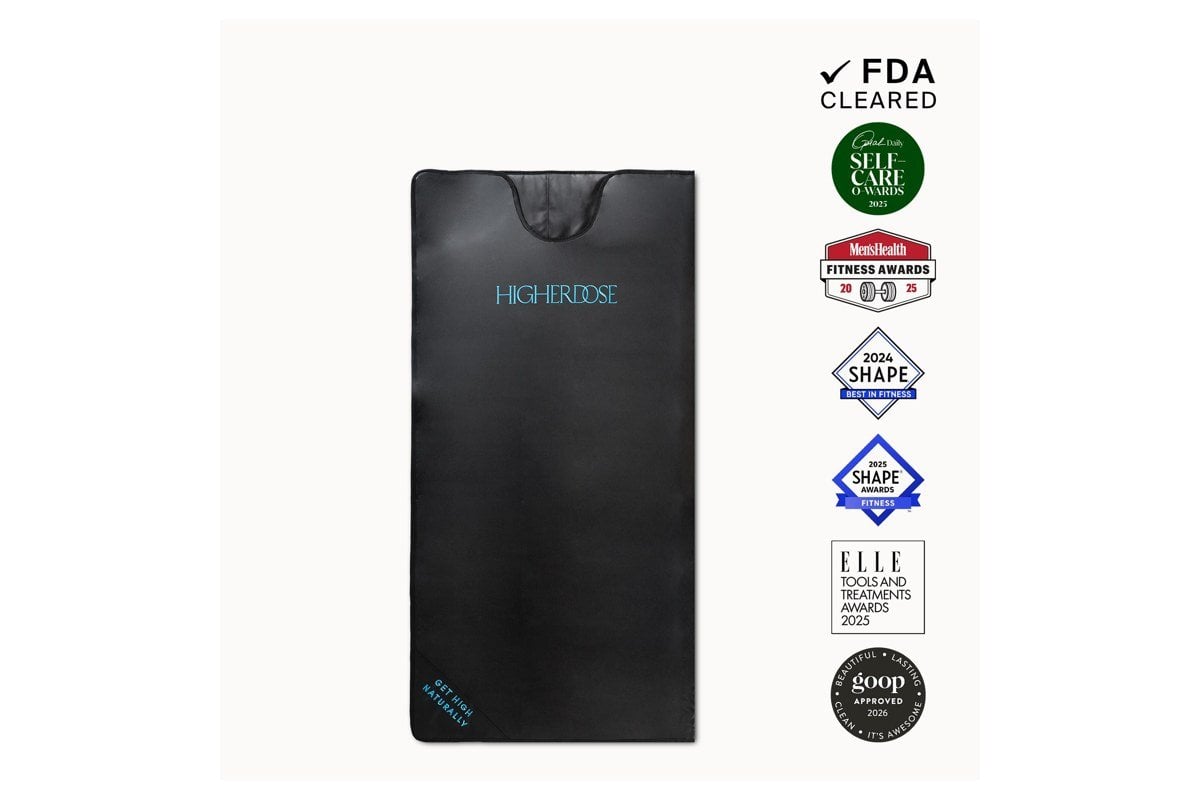
There’s a lot of really interesting research around the health benefits of saunas — though that work studied traditional saunas, and none of it tested an infrared blanket for joint pain. And while this isn’t an actual sauna that you’d find in your local spa, this blanket attempts to recreate that. We’re still waiting on some more data to see if a blanket can reproduce even a fraction of the benefits of an actual sauna, but we applaud the effort. This blanket warms your body but not your head or airwaves, so it’s definitely a little different. We do know heat can help with joint stiffness and recovery time.
The HigherDOSE Infrared Sauna Blanket attempts to deliver real sauna benefits (cardiovascular, recovery, mood) without having to install a $10K cabin somewhere in your house.
Skin Changes: Pique Daily Radiance
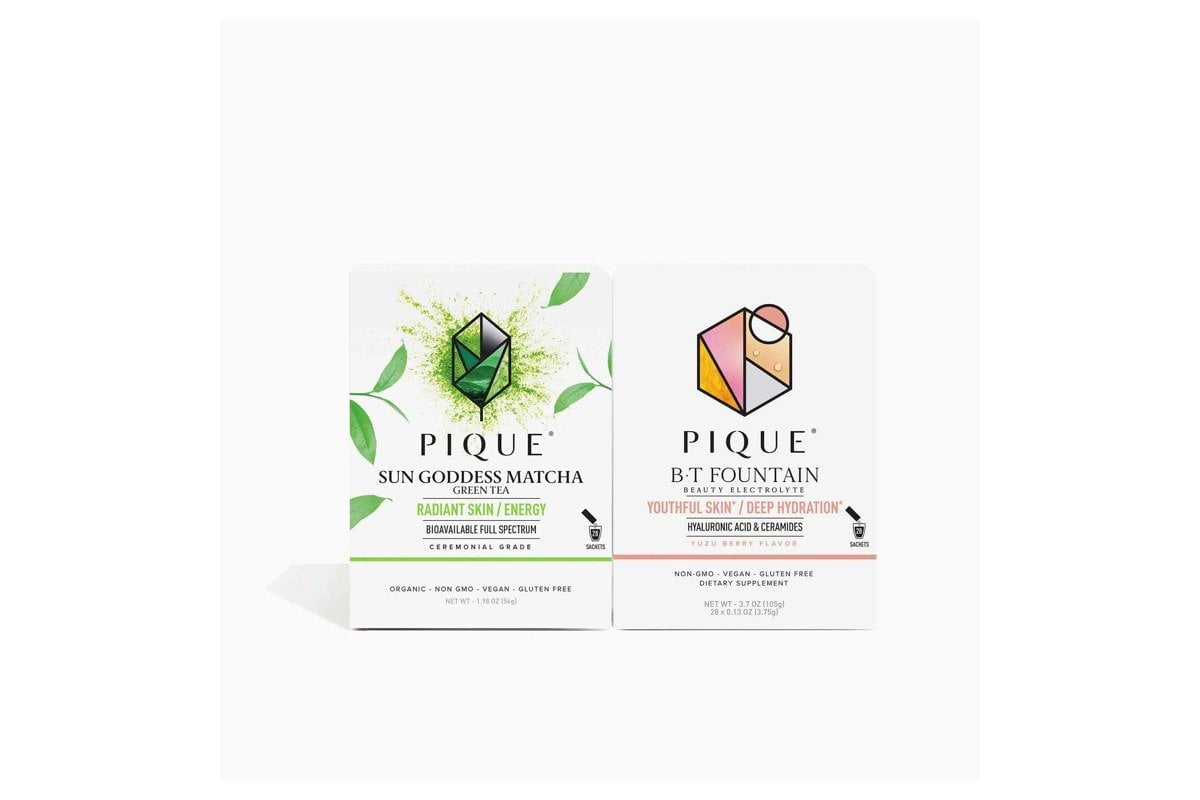
“As estrogen falls, you see measurable functional and structural changes in the skin manifesting as dryness, thinning, decreased elasticity and increased fine lines.”
— Dr. Renita Ahluwalia, dermatologist
We weren’t sure about including this on the list until we did a little digging into the data. Hormone shifts can have a huge effect on the way your skin looks. Oral hyaluronic acid has been studied for skin hydration and elasticity, and a trial reported improvement after 12 weeks at 120mg a day. Two caveats worth keeping: those results come from studies of the ingredient rather than of this product, and the trials have been small.
Brain Fog: Om Lion’s Mane
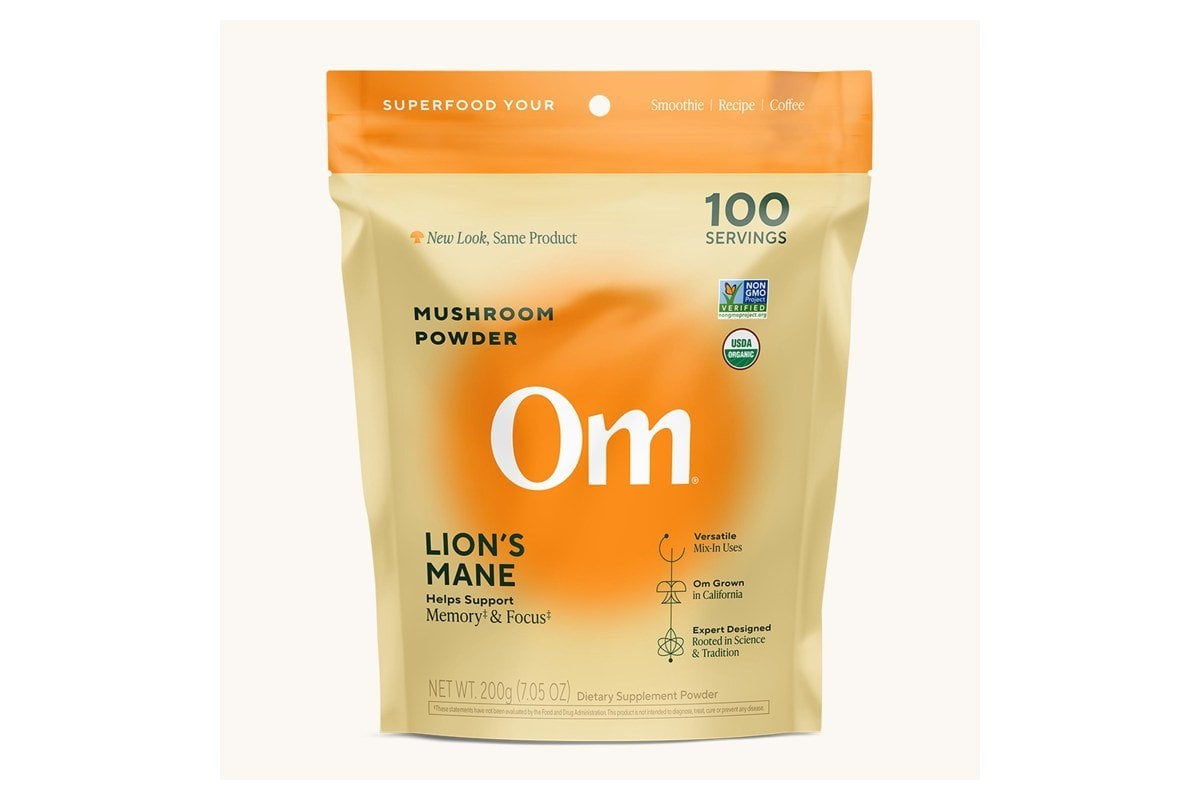
“Estrogen is to the brain what fuel is to an engine.”
— Dr. Lisa Mosconi, PhD, Weill Cornell Medicine, author of The Menopause Brain
“It’s VERY hard to focus a task. And it’s like everything around you is slow motion. Imagine trying to run through head-deep, thick, muddy water (but for thinking).”
— a woman in r/Menopause
Midlife brain fog is real, but its causes are tangled — broken sleep, night sweats, stress and mood all feed into it alongside hormonal change, and no single explanation accounts for it. Lion’s mane is among the more studied mushroom supplements for cognition, though that research is preliminary and none of it is specific to menopause. Om’s powder is 2g per serving — that is the product’s serving size, not a dose the research has established.
Stocking your menopause shelf
As you read over this list you don’t need to run out and get all of these items. Which ones resonate the most? Which issues are you currently dealing with today? Focus on those and try some of the options for what’s making things most difficult for your monthly cycle. Menopause happens to the best of us (all of us, actually.) Don’t try to suffer through it in silence. The medical world (which is mostly run by men, ahem) doesn’t treat it like a condition that can be managed, but that’s what it is!
The Short Answer
If the main reason you’re reading this list is to find a solution for hot flashes and you can’t take hormones, ask your doctor about Bonafide Relizen. If sleep and mood issues are what you’re looking for then Lemme Meno gummies are something to add to your shopping list.


Kaelyn Johnson is a Registered Dietitian from Southern California who has worked as a clinical dietitian and is now a freelance writer. She has written for WebMD, produced an e-book, and written case studies for healthcare practitioners.
Is your neighborhood healthy?
Get a free report on your tap water, air quality, walkability and more


