
Supplements Every Woman Should Take in Her 50s (To Look Younger in Her 60s)
byThe problem with changing your diet and lifestyle to look better is that it doesn’t happen overnight. If you want to look good next…

Clean living made practical — evidence-based guidance on the habits, products and swaps that make your home and body healthier.
The problem with changing your diet and lifestyle to look better is that it doesn’t happen overnight. If you want to look good next…

Ten science-backed natural bleach swaps for laundry, bathrooms, and floors — what actually disinfects, what just smells fresh, and what never to mix.

Ten popular supplements pharmacists wish you’d ask about first — bleeding risks, drug interactions, toxic doses, and the third-party tests that matter.
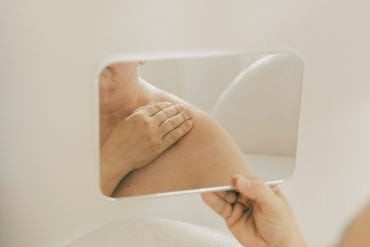
Ten body signals — from persistent bloating to thunderclap headaches — that warrant a call to your doctor, your urgent care, or 911. With what to actually say.

Ten plants the research links to slower cognitive decline in women — leafy greens, berries, walnuts, green tea, and more. The studies and the daily doses.

Ranked by sugar load, banned additives, caffeine, and the new FDA + California rules forcing reformulations across the category in 2026.

Eye twitches, insomnia that won’t break, migraines, period cramps — the sneaky signs of magnesium deficiency in women, and what 3 registered dietitians do about them.

A registered dietitian’s read on the 20 foods that work hardest against women’s bodies in their 50s — sodium-sensitive blood pressure, insulin resistance, bone loss, hot flashes — with the better swap for each.
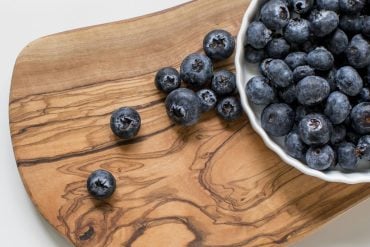
The peer-reviewed research on frozen vs. fresh blueberries — anthocyanin retention, bioavailability via cell-wall rupture, wild versus cultivated, and why frozen wild is the smarter buy most weeks.

Persistent cold sensitivity is usually a clinical signal of one of five micronutrient shortfalls. A dietitian’s plain-English guide to iron, B12, vitamin D, iodine, and magnesium — what to test for, who’s most at risk, and when this needs a doctor instead.

Several U.S. household cleaners contain ingredient classes the EU has restricted. Here are the seven worth scanning labels for, and the six nontoxic brands that actually replace what you toss.

A half-teaspoon of amla powder daily reduces total cholesterol by about 28% in three weeks. The research, the head-to-head versus simvastatin, and the one caveat worth knowing.