One card per state: the ZIP code with the highest share of lonely adults, the loneliest ordinary neighborhood where a campus or base takes the top spot, and the least lonely ZIP in the same state. CDC PLACES plus verified foot-traffic data.
Loneliness is a conundrum once you dig into the data. You go in with assumptions and the map takes them apart one at a time.
ZIP code 01003 encompasses the University of Massachusetts Amherst. Its 13,000 residents aren’t short on places to get together, and they can flock to one of UMass’s many dining halls and dozens of clubs. But they live in the loneliest ZIP code we found: According to an estimate by the Centers for Disease Control and Prevention, 51 percent of UMass-area adults regularly feel alone. (The median ZIP code in the U.S. that has more than 10,000 residents is less lonely, and CDC estimates that 33.8 percent of adults say they’re lonely there.)
Loneliness varies enormously from ZIP code to ZIP code in America, ranging from 22 percent of adults on Hilton Head Island to 51 percent at UMass. What are lonely ZIP codes like? Where are they? What can we learn by pitting them up against ZIP codes that buck the loneliness trend? We crunched the CDC data and crisscrossed America virtually to find out. Here’s what we learned.
America’s loneliest ZIP codes are often dense with young people. Twenty-two of the 47 loneliest ZIP codes in the states are college campuses or college towns or military bases. The nation’s three loneliest ZIPs are the campuses of UMass, Ohio State, and Michigan State; next in line are ZIPs containing South L.A., the Norfolk naval station, and Berkeley’s college town center.
ZIP codes that fit a more classic conception of loneliness rank highly, too, including the North End in Hartford, poor areas of big cities (south Jackson, Chicago’s Garfield Park), and beleaguered former boom towns (Flint).
We did for loneliness what we did for the healthiest ZIP code in every state and the unhealthiest: one card for each of the 47 states (plus D.C.) that asked either question, showcasing the most and least lonely ZIP codes in each. (If the loneliest ZIP happened to be a military base or college campus, we also featured the state’s loneliest ZIP code that wasn’t a base or campus.) On each card, we included some facts and figures about the featured ZIP codes, including depression, frequent mental distress, lack of social and emotional support, short sleep and binge drinking, alongside how often adults say they feel lonely.
Through the Behavioral Risk Factor Surveillance System, the CDC asks adults how often they feel lonely, and its PLACES project models the share answering always, usually or sometimes for every ZIP-code area in participating states.
Loneliness plummets among older folks, especially those who’ve long called an area home. America’s least lonely ZIP codes tend to be retirement communities or enclaves for established homeowners: think Hilton Head, S.C.; Leawood, Kan.; Mequon, Wis.; Scottsdale, Ariz.; Bainbridge Island, Wash. Those ZIP codes post loneliness rates barely half of what the campuses post. In contemporary America, it seems, it’s lonelier to be young than old by a factor of about two.
More parks, gyms, markets and groceries should mean more opportunities for community. But all the places to get together in town don’t seem to insulate its residents against loneliness: When we linked the CDC loneliness estimates for the 6,862 ZIP codes where that data is available to our counts of gathering places from our Neighborhood Wellness Score, we found that loneliness increases slightly as the number of gathering places does (r = +0.23). ZIP codes in the top quintile for gathering places have a slightly higher average rate of loneliness (36.3 percent of adults) than those in the bottom quintile (33.5). Community’s easy half, having places to gather, apparently doesn’t guarantee its more elusive component: actual togetherness. Take northern Harlem, which has 708 places we count as good for people to get together, but is nonetheless in the nation’s top 40 most lonely ZIP codes.
Coverage note. Not every state asks the loneliness question. Forty states and D.C. did in 2023. Seven more (Florida, Kentucky, Tennessee, Texas, Vermont, Washington and Wyoming) asked a sibling question about social isolation in 2022, and those cards use that measure and say so. Colorado, Oregon, Pennsylvania and South Dakota asked neither, so they have no pick.
How to read each card
43%
Share of adults who feel lonely always, usually or sometimes (CDC PLACES, 2023 survey)
Under 35 Near the national figure
35 to 39 Lonelier than most of the country
40 to 44 Top few hundred ZIPs nationally
45 and up The top 40 in America
Campus ZIPTag for what kind of place won the state: campus, college town, military base or neighborhood. Where it is not a neighborhood, the card also names the loneliest one.
Why sleep, drinking and depression are on a loneliness card: the CDC asks the same adults all of these questions, and they move together. Lonely ZIPs sleep worse and report more depression and distress. Campus and base ZIPs add heavy drinking. Lack of emotional support is the closest cousin to loneliness itself, so it leads the list on every card that has it.
🧠 DepressionAdults ever told they have depression (U.S. median 22%)
😶 Mental distressMental health not good 14 or more days a month (U.S. median 16.8%)
🤝 No supportLack the social and emotional support they need (U.S. median 23.8%)
😴 Short sleepUnder seven hours a night (U.S. median 36.2%)
🍺 BingeBinge drinking in the past 30 days (U.S. median 15.9%)
Where people gatherThe busiest spot in the ZIP with measured visits, and how many gathering places sit within about two miles. It is there to test the obvious fix: most of the loneliest ZIPs have plenty of places to go.
The Loneliest ZIP Code in Every State
The ZIP code with the highest share of lonely adults in each state, among ZIPs with at least 10,000 residents, with the least lonely ZIP in the same state for comparison. Sorted alphabetically by state.
42.6%lonely
Alabama
HuntsvilleZIP 35816
Neighborhood
#147 loneliest ZIP code in America of 6,870
🧠 Depression 22.8%😶 Mental distress 21%🤝 No support 30.4%😴 Short sleep 46.5%🍺 Binge 13.6%
Huntsville is the rocket city, and 35816 is its working west side along University Drive. 42.6 percent of adults here report feeling lonely, seven points above Alabama’s own median and the 147th highest rate of any sizable ZIP code in the country. Sleep is the companion number: 46.5 percent get less than seven hours, against a national median of 36.2.
→No one to lean on: 30.4% of adults here say they lack the social and emotional support they need, against a U.S. median of 23.8%.
→Short sleep: 46.5 percent, ten points above the U.S. median. Lonely adults sleep worse; the two move together across the CDC data.
→Where people here gather: the busiest spot with measurable visits is Kroger, about 835,000 visits a year. There are 82 mapped gathering places (parks, gyms, groceries, markets) within about two miles, so places to go are not what is missing here.
How lonely is Huntsville, really?
In Huntsville 35816, 42.6% of adults say they feel lonely. In Tuscaloosa 35406, the least lonely ZIP in Alabama, it is 28.5%. That is a 14.1-point gap inside one state.
🧠 Depression 21.9%😶 Mental distress 18.2%🤝 No support 27.9%😴 Short sleep 38.3%🍺 Binge 16.6%
Alaska’s loneliest ZIP is east Anchorage, the neighborhoods around the University of Alaska campus and the hospital district. The number is modest: 36.3 percent, barely above the typical U.S. ZIP code. What stands out is support, not sadness. Depression here matches the national rate, but 27.9 percent of adults say they lack the social and emotional support they need, against a national median of 23.8.
→No one to lean on: 27.9% of adults here say they lack the social and emotional support they need, against a U.S. median of 23.8%.
→Frequent mental distress: 18.2 percent, a little above the U.S. median of 16.8. This is the CDC’s measure of bad mental-health days, and it rises with loneliness.
→Where people here gather: the busiest spot with measurable visits is Fred Meyer, about 1,797,000 visits a year. There are 78 mapped gathering places (parks, gyms, groceries, markets) within about two miles, so places to go are not what is missing here.
How lonely is Anchorage, really?
In Anchorage 99508, 36.3% of adults say they feel lonely. In Ketchikan 99901, the least lonely ZIP in Alaska, it is 29.4%. That is a 6.9-point gap inside one state.
🧠 Depression 26.5%😶 Mental distress 27.6%🤝 No support 40.3%😴 Short sleep 44%🍺 Binge 12.5%
Whiteriver is the seat of the White Mountain Apache Tribe on the Fort Apache Reservation, and it carries the heaviest combined load of any card here: 40 percent lonely, 27.6 percent in frequent mental distress, 40.3 percent lacking emotional support, and 40.6 percent in fair or poor health. This is not a campus or a base. It is a community a long drive from almost everything, with four mapped gathering places in reach.
→No one to lean on: 40.3% of adults here say they lack the social and emotional support they need, against a U.S. median of 23.8%.
→Frequent mental distress: 27.6 percent, against a U.S. median of 16.8. This is the CDC’s measure of bad mental-health days, and it rises with loneliness.
→Where people here gather: the busiest spot with measurable visits is Burger King, about 340,000 visits a year. There are 4 mapped gathering places (parks, gyms, groceries, markets) within about two miles, so there is almost nowhere to go, and almost no one to go with.
How lonely is Whiteriver, really?
In Whiteriver 85941, 40% of adults say they feel lonely. In Scottsdale 85266, the least lonely ZIP in Arizona, it is 24.7%. That is a 15.3-point gap inside one state.
🧠 Depression 21.6%😶 Mental distress 22.1%🤝 No support 37.8%😴 Short sleep 49.9%🍺 Binge 10.5%
Pine Bluff has lost more than a quarter of its population since 1990, and the loneliness figure reads like a town that emptied out around the people who stayed. 42.2 percent of adults feel lonely, and 37.8 percent say they lack social and emotional support, one of the widest support gaps on this list. Half of adults here sleep less than seven hours.
→No one to lean on: 37.8% of adults here say they lack the social and emotional support they need, against a U.S. median of 23.8%.
→Short sleep: 49.9 percent. Nearly half of adults get under seven hours. Lonely adults sleep worse; the two move together across the CDC data.
→Where people here gather: the busiest spot with measurable visits is McDonald’s, about 442,000 visits a year. There are 24 mapped gathering places (parks, gyms, groceries, markets) within about two miles, so there is not much to walk to, and the numbers say company is missing too.
How lonely is Pine Bluff, really?
In Pine Bluff 71601, 42.2% of adults say they feel lonely. In Bella Vista 72715, the least lonely ZIP in Arkansas, it is 27.2%. That is a 15-point gap inside one state.
🧠 Depression 21.5%😶 Mental distress 22%🤝 No support 38.4%😴 Short sleep 42.5%🍺 Binge 14.7%
South Los Angeles ties downtown Berkeley for California’s loneliest ZIP at 47.1 percent, and it is the one without a university attached. 90003 is Florence and Broadway-Manchester, 73,000 people, the fourth loneliest ZIP in the nation. Depression sits below the national rate. Lack of support does not: 38.4 percent say they have no one to lean on, and nearly 40 percent rate their health fair or poor.
→No one to lean on: 38.4% of adults here say they lack the social and emotional support they need, against a U.S. median of 23.8%.
→Depression: 21.5 percent, slightly under the U.S. rate: loneliness far above average while diagnosed depression sits below it, the South LA pattern from our first look at this data.
→Where people here gather: the busiest spot with measurable visits is Northgate González, about 1,766,000 visits a year. There are 124 mapped gathering places (parks, gyms, groceries, markets) within about two miles, so places to go are not what is missing here.
How lonely is Los Angeles, really?
In Los Angeles 90003, 47.1% of adults say they feel lonely. In Belvedere Tiburon 94920, the least lonely ZIP in California, it is 26.6%. That is a 20.5-point gap inside one state.
Loneliest in California47.1%Los Angeles 90003
Least lonely in California26.6%Belvedere Tiburon 94920
Colorado did not field the CDC survey questions on loneliness or social isolation in either 2022 or 2023, so there is no ZIP-level estimate for any Colorado neighborhood. We will add the card when the data exists.
42.9%lonely
Connecticut
HartfordZIP 06112
Neighborhood
#113 loneliest ZIP code in America of 6,870
🧠 Depression 22.1%😶 Mental distress 23%🤝 No support 37.6%😴 Short sleep 49.1%🍺 Binge 12.5%
Hartford’s North End. 42.9 percent lonely, ten points above Connecticut’s median, in a ZIP with 102 mapped gathering places and a Stop & Shop that draws 833,000 visits a year. Nearly half of adults sleep under seven hours and 37.6 percent say they lack emotional support. Plenty of places to go, not enough people to go with.
→No one to lean on: 37.6% of adults here say they lack the social and emotional support they need, against a U.S. median of 23.8%.
→Short sleep: 49.1 percent, 13 points over the national median. Lonely adults sleep worse; the two move together across the CDC data.
→Where people here gather: the busiest spot with measurable visits is Stop & Shop, about 833,000 visits a year. There are 102 mapped gathering places (parks, gyms, groceries, markets) within about two miles, so places to go are not what is missing here.
How lonely is Hartford, really?
In Hartford 06112, 42.9% of adults say they feel lonely. In Old Saybrook 06475, the least lonely ZIP in Connecticut, it is 25.6%. That is a 17.3-point gap inside one state.
Loneliest in Connecticut42.9%Hartford 06112
Least lonely in Connecticut25.6%Old Saybrook 06475
🧠 Depression 22%😶 Mental distress 20.6%🤝 No support 29.3%😴 Short sleep 45.4%🍺 Binge 12.8%
Downtown Wilmington and the neighborhoods south of it. 37.4 percent lonely is the mildest state winner in the Northeast, but it still runs five points above Delaware’s median. Sleep is the louder number: 45.4 percent of adults here get under seven hours. This is also one of the most amenity-dense ZIPs on the list, with 171 mapped gathering places.
→No one to lean on: 29.3% of adults here say they lack the social and emotional support they need, against a U.S. median of 23.8%.
→Short sleep: 45.4 percent, nine points above the national median. Lonely adults sleep worse; the two move together across the CDC data.
→Frequent mental distress: 20.6 percent against a U.S. median of 16.8. This is the CDC’s measure of bad mental-health days, and it rises with loneliness.
→Where people here gather: the busiest spot with measurable visits is ShopRite, about 835,000 visits a year. There are 171 mapped gathering places (parks, gyms, groceries, markets) within about two miles, so places to go are not what is missing here.
How lonely is Wilmington, really?
In Wilmington 19801, 37.4% of adults say they feel lonely. In Rehoboth Beach 19971, the least lonely ZIP in Delaware, it is 25.2%. That is a 12.2-point gap inside one state.
🧠 Depression 21.7%😶 Mental distress 18.7%🤝 No support 31.8%😴 Short sleep 43.1%🍺 Binge 18.2%
Ward 8, south of the Anacostia: Congress Heights, Bellevue, Washington Highlands. 43.2 percent of adults report loneliness, six points above the District’s median and the 98th highest rate in the country. The gap to Chevy Chase, the least lonely ZIP in the city, is 13 points inside one city.
→No one to lean on: 31.8% of adults here say they lack the social and emotional support they need, against a U.S. median of 23.8%.
→Short sleep: 43.1 percent against a national median of 36.2. Lonely adults sleep worse; the two move together across the CDC data.
→Where people here gather: the busiest spot with measurable visits is Popeyes, about 285,000 visits a year. There are 54 mapped gathering places (parks, gyms, groceries, markets) within about two miles, so places to go are not what is missing here.
How lonely is Washington, really?
In Washington 20032, 43.2% of adults say they feel lonely. In Washington 20015, the least lonely ZIP in District of Columbia, it is 30.1%. That is a 13.1-point gap inside one state.
Loneliest in District of Columbia43.2%Washington 20032
Least lonely in District of Columbia30.1%Washington 20015
West Tallahassee, the ZIP that wraps Florida State’s campus and the student blocks west of it. 42.4 percent of adults report feeling socially isolated, eleven points above the Florida median, and 26.3 percent are in frequent mental distress. The busiest spots with measurable traffic are a Raising Cane’s and a CAVA, which tells you who lives here.
→Frequent mental distress: 26.3 percent, nearly ten points above the U.S. median. This is the CDC’s measure of bad mental-health days, and it rises with loneliness.
→Short sleep: 43.5 percent, in a ZIP built around a 44,000-student university. Lonely adults sleep worse; the two move together across the CDC data.
→Where people here gather: the busiest spot with measurable visits is Publix, about 1,772,000 visits a year. There are 85 mapped gathering places (parks, gyms, groceries, markets) within about two miles, so places to go are not what is missing here.
The loneliest neighborhood in Florida
OrlandoZIP 3280839.3% isolated
Take the campus out and Florida’s loneliest neighborhood is Pine Hills, west Orlando, at 39.3 percent. Depression here is well below the national rate at 16.9 percent, but 51 percent of adults get less than seven hours of sleep, one of the highest short-sleep figures on this list.
How lonely is Tallahassee, really?
In Tallahassee 32304, 42.4% of adults say they feel socially isolated. In Vero Beach 32963, the least lonely ZIP in Florida, it is 23.1%. That is a 19.3-point gap inside one state.
🧠 Depression 17.7%😶 Mental distress 21.5%🤝 No support 31.8%😴 Short sleep 50.1%🍺 Binge 13.4%
Vine City and English Avenue, the west-side neighborhoods that share a ZIP with the Atlanta University Center. 45 percent of adults report loneliness, the 31st highest rate in the country, and half sleep under seven hours. Depression is low at 17.7 percent, which is the same split we keep seeing in poorer urban cores: lonely, under-rested, and not showing up in the diagnosis data.
→No one to lean on: 31.8% of adults here say they lack the social and emotional support they need, against a U.S. median of 23.8%.
→Short sleep: 50.1 percent, 14 points above the U.S. median. Lonely adults sleep worse; the two move together across the CDC data.
→Where people here gather: the busiest spot with measurable visits is Kroger, about 1,163,000 visits a year. There are 123 mapped gathering places (parks, gyms, groceries, markets) within about two miles, so places to go are not what is missing here.
How lonely is Atlanta, really?
In Atlanta 30314, 45% of adults say they feel lonely. In Saint Simons Island 31522, the least lonely ZIP in Georgia, it is 28.3%. That is a 16.7-point gap inside one state.
Loneliest in Georgia45%Atlanta 30314
Least lonely in Georgia28.3%Saint Simons Island 31522
🧠 Depression 18%😶 Mental distress 17.9%🤝 No support 32.1%😴 Short sleep 49.5%🍺 Binge 22%
Wahiawa sits in the middle of Oahu between Schofield Barracks and Wheeler Army Airfield, and the numbers look half military and half local. 36 percent lonely, 22 percent binge drinking, 49.5 percent short on sleep. Depression is low at 18 percent. It is the loneliest ZIP in the state by four and a half points over the Hawaii median.
→No one to lean on: 32.1% of adults here say they lack the social and emotional support they need, against a U.S. median of 23.8%.
→Short sleep: 49.5 percent, 13 points over the national median. Lonely adults sleep worse; the two move together across the CDC data.
→Binge drinking: 22 percent against a U.S. median of 15.9. Heavy drinking clusters where young adults live far from home, which is why it shows up on campus and base cards.
→Where people here gather: the busiest spot with measurable visits is McDonald’s, about 1,188,000 visits a year. There are 31 mapped gathering places (parks, gyms, groceries, markets) within about two miles, so places to go are not what is missing here.
How lonely is Wahiawa, really?
In Wahiawa 96786, 36% of adults say they feel lonely. In Honolulu 96825, the least lonely ZIP in Hawaii, it is 28.4%. That is a 7.6-point gap inside one state.
🧠 Depression 27.8%😶 Mental distress 23.5%🤝 No support 21.3%😴 Short sleep 35.1%🍺 Binge 15.2%
Rexburg is Brigham Young University-Idaho, roughly 20,000 students in a town of 40,000, and it is Idaho’s loneliest ZIP by a wide margin: 36 percent against a state median of 29.4. The profile is pure college town. Depression runs high at 27.8 percent, yet only 21.3 percent say they lack emotional support, below the national figure. Lonely, but not unsupported.
→No one to lean on: 21.3% of adults here say they lack the social and emotional support they need, against a U.S. median of 23.8%.
→Depression: 27.8 percent, six points above the U.S. median.
→Where people here gather: the busiest spot with measurable visits is McDonald’s, about 894,000 visits a year. There are 58 mapped gathering places (parks, gyms, groceries, markets) within about two miles, so places to go are not what is missing here.
The loneliest neighborhood in Idaho
Mountain HomeZIP 8364732.6% lonely(#4,348 of 6,870 nationally)
Idaho’s loneliest non-college ZIP is Mountain Home, the town outside Mountain Home Air Force Base, at 32.6 percent. That is three points over the Idaho median and still below the national one. Idaho is simply not a lonely state.
How lonely is Rexburg, really?
In Rexburg 83440, 36% of adults say they feel lonely. In Eagle 83616, the least lonely ZIP in Idaho, it is 25.7%. That is a 10.3-point gap inside one state.
🧠 Depression 19.7%😶 Mental distress 20.9%🤝 No support 31.8%😴 Short sleep 33%🍺 Binge 24.4%
Naval Station Great Lakes is the Navy’s only boot camp, and 60088 is the base. 43.4 percent of adults report feeling lonely, the 89th highest rate in the country. Everything else reads young and fit: fair or poor health 12.5 percent, short sleep 33 percent, below the national rate. Binge drinking at 24.4 percent is the tell. Thousands of 19-year-olds a long way from home.
→No one to lean on: 31.8% of adults here say they lack the social and emotional support they need, against a U.S. median of 23.8%.
→Binge drinking: 24.4 percent against a U.S. median of 15.9. Heavy drinking clusters where young adults live far from home, which is why it shows up on campus and base cards.
→Where people here gather: the busiest spot with measurable visits is McDonald’s, about 576,000 visits a year. There are 39 mapped gathering places (parks, gyms, groceries, markets) within about two miles, so places to go are not what is missing here.
The loneliest neighborhood in Illinois
ChicagoZIP 6062441.6% lonely(#268 of 6,870 nationally)
Off base, Illinois’s loneliest neighborhood is Garfield Park on Chicago’s West Side, 41.6 percent. It has 173 mapped gathering places, a conservatory and the Green Line, and 37.5 percent of adults say they have no one to lean on. The third-place theory does not survive contact with 60624.
How lonely is Great Lakes, really?
In Great Lakes 60088, 43.4% of adults say they feel lonely. In Highland Park 60035, the least lonely ZIP in Illinois, it is 26.1%. That is a 17.3-point gap inside one state.
🧠 Depression 28.9%😶 Mental distress 22%🤝 No support 22.3%😴 Short sleep 33.9%🍺 Binge 17.6%
The northeast side of Bloomington, where Indiana University’s campus spills into student rentals. 39.7 percent lonely, seven points above the Indiana median. Depression is high at 28.9 percent, but emotional support reads better than the national average, the same pattern as every college ZIP on this list. The busiest place with measurable foot traffic is a McDonald’s, 881,000 visits a year.
→No one to lean on: 22.3% of adults here say they lack the social and emotional support they need, against a U.S. median of 23.8%.
→Depression: 28.9 percent, seven points above the U.S. median.
→Where people here gather: the busiest spot with measurable visits is Kroger, about 1,038,000 visits a year. There are 73 mapped gathering places (parks, gyms, groceries, markets) within about two miles, so places to go are not what is missing here.
The loneliest neighborhood in Indiana
IndianapolisZIP 4623539.6% lonely(#648 of 6,870 nationally)
One tenth of a point behind Bloomington is 46235, Indianapolis’s far east side, at 39.6 percent. No university here. Instead, 46 percent of adults are short on sleep, 30.6 percent lack support, and the ZIP’s Wellness Score sits in the bottom tenth of the country.
How lonely is Bloomington, really?
In Bloomington 47408, 39.7% of adults say they feel lonely. In Zionsville 46077, the least lonely ZIP in Indiana, it is 26.3%. That is a 13.4-point gap inside one state.
🧠 Depression 22.2%😶 Mental distress 22.6%🤝 No support 32.4%😴 Short sleep 42.8%🍺 Binge 16.4%
River Bend, King Irving and the neighborhoods just north of downtown Des Moines. 39.8 percent of adults are lonely, seven points above Iowa’s median, with 162 mapped gathering places and a Wellness Score in the top third of the country. The gap is social: 32.4 percent lack emotional support, and 22.6 percent report frequent mental distress.
→No one to lean on: 32.4% of adults here say they lack the social and emotional support they need, against a U.S. median of 23.8%.
→Frequent mental distress: 22.6 percent against a national median of 16.8. This is the CDC’s measure of bad mental-health days, and it rises with loneliness.
→Where people here gather: the busiest spot with measurable visits is McDonald’s, about 527,000 visits a year. There are 162 mapped gathering places (parks, gyms, groceries, markets) within about two miles, so places to go are not what is missing here.
How lonely is Des Moines, really?
In Des Moines 50314, 39.8% of adults say they feel lonely. In Urbandale 50323, the least lonely ZIP in Iowa, it is 27.7%. That is a 12.1-point gap inside one state.
🧠 Depression 22.5%😶 Mental distress 22.5%🤝 No support 26.8%😴 Short sleep 37.8%🍺 Binge 22.9%
Fort Riley, home of the 1st Infantry Division, is Kansas’s loneliest ZIP by three and a half points. 41.7 percent of adults feel lonely, ten points above the state median. The post reads like every base on this list: 22.9 percent binge drinking, 22.5 percent frequent mental distress, and almost nowhere to go. Our map finds ten gathering places within reach and none with measurable traffic.
→No one to lean on: 26.8% of adults here say they lack the social and emotional support they need, against a U.S. median of 23.8%.
→Binge drinking: 22.9 percent, seven points above the U.S. median. Heavy drinking clusters where young adults live far from home, which is why it shows up on campus and base cards.
→Frequent mental distress: 22.5 percent against a national median of 16.8. This is the CDC’s measure of bad mental-health days, and it rises with loneliness.
→Where people here gather: no venue here registers measurable visits, and only 10 mapped gathering places sit within about two miles. Isolation here is physical as well as social.
The loneliest neighborhood in Kansas
WichitaZIP 6721438.1% lonely(#1,099 of 6,870 nationally)
The loneliest neighborhood in Kansas is northeast Wichita, 67214, at 38.1 percent. 31.3 percent of adults lack emotional support and 45.5 percent sleep under seven hours. The busiest healthy spot with measurable traffic is a Meddys, 155,000 visits a year.
How lonely is Fort Riley, really?
In Fort Riley 66442, 41.7% of adults say they feel lonely. In Leawood 66206, the least lonely ZIP in Kansas, it is 24.2%. That is a 17.5-point gap inside one state.
Fort Campbell straddles the Kentucky-Tennessee line and the 101st Airborne lives here. 42.9 percent of adults report feeling socially isolated, eleven points above Kentucky’s median. Depression reads 31.4 percent and frequent mental distress 24.6, both far above the national rates, alongside 22.6 percent binge drinking. The heaviest mental-health profile of any military ZIP on this list.
→Depression: 31.4 percent, nine points over the U.S. median.
→Frequent mental distress: 24.6 percent and binge drinking 22.6 percent, both well above national rates. This is the CDC’s measure of bad mental-health days, and it rises with loneliness.
→Where people here gather: the busiest spot with measurable visits is McDonald’s, about 452,000 visits a year. There are 25 mapped gathering places (parks, gyms, groceries, markets) within about two miles, so there is not much to walk to, and the numbers say company is missing too.
The loneliest neighborhood in Kentucky
LouisvilleZIP 4021135.4% isolated
Kentucky’s loneliest neighborhood off a base is Louisville’s West End, the Shawnee and Chickasaw neighborhoods in 40211, at 35.4 percent socially isolated. 51.3 percent of adults get less than seven hours of sleep, among the highest figures on this list.
How lonely is Fort Campbell, really?
In Fort Campbell 42223, 42.9% of adults say they feel socially isolated. In Lexington 40513, the least lonely ZIP in Kentucky, it is 26.6%. That is a 16.3-point gap inside one state.
🧠 Depression 26.8%😶 Mental distress 22%🤝 No support 37.1%😴 Short sleep 45.2%🍺 Binge 15.5%
Gentilly and Pontchartrain Park, the lakeside neighborhoods that flooded to the rooflines in 2005. Twenty years on, 43.9 percent of adults report feeling lonely, the 65th highest rate in the country and seven points above a Louisiana median that is already high. 37.1 percent lack emotional support. The busiest place with measurable foot traffic is a McDonald’s, 613,000 visits a year.
→No one to lean on: 37.1% of adults here say they lack the social and emotional support they need, against a U.S. median of 23.8%.
→Depression: 26.8 percent against a national median of 22.0.
→Where people here gather: the busiest spot with measurable visits is McDonald’s, about 613,000 visits a year. There are 26 mapped gathering places (parks, gyms, groceries, markets) within about two miles, so there is not much to walk to, and the numbers say company is missing too.
How lonely is New Orleans, really?
In New Orleans 70126, 43.9% of adults say they feel lonely. In Mandeville 70471, the least lonely ZIP in Louisiana, it is 29.9%. That is a 14-point gap inside one state.
🧠 Depression 30.5%😶 Mental distress 21.5%🤝 No support 25.9%😴 Short sleep 38.5%🍺 Binge 14.3%
Lewiston is Maine’s second city, a mill town on the Androscoggin that absorbed thousands of Somali refugees after 2001 and has been figuring itself out since. 35.6 percent of adults report loneliness, about four points over the state median. Depression is the sharper number at 30.5 percent, among the highest rates on this list. The Hannaford here draws 1.3 million visits a year.
→No one to lean on: 25.9% of adults here say they lack the social and emotional support they need, against a U.S. median of 23.8%.
→Depression: 30.5 percent, eight and a half points above the U.S. median.
→Frequent mental distress: 21.5 percent against a national median of 16.8. This is the CDC’s measure of bad mental-health days, and it rises with loneliness.
→Where people here gather: the busiest spot with measurable visits is Hannaford, about 1,298,000 visits a year. There are 87 mapped gathering places (parks, gyms, groceries, markets) within about two miles, so places to go are not what is missing here.
How lonely is Lewiston, really?
In Lewiston 04240, 35.6% of adults say they feel lonely. In Kennebunk 04043, the least lonely ZIP in Maine, it is 28.1%. That is a 7.5-point gap inside one state.
🧠 Depression 24.5%😶 Mental distress 22%🤝 No support 33.7%😴 Short sleep 47.6%🍺 Binge 13.4%
Southwest Baltimore: Carrollton Ridge, Union Square, the blocks west of the B&O Railroad Museum. 43.7 percent of adults report loneliness, nine points above Maryland’s median and the 72nd highest rate in the country. 47.6 percent are short on sleep. There are 254 mapped gathering places here, and 33.7 percent of residents say they have no one to lean on.
→No one to lean on: 33.7% of adults here say they lack the social and emotional support they need, against a U.S. median of 23.8%.
→Short sleep: 47.6 percent, eleven points above the national median. Lonely adults sleep worse; the two move together across the CDC data.
→Where people here gather: the busiest spot with measurable visits is McDonald’s, about 746,000 visits a year. There are 254 mapped gathering places (parks, gyms, groceries, markets) within about two miles, so places to go are not what is missing here.
How lonely is Baltimore, really?
In Baltimore 21223, 43.7% of adults say they feel lonely. In Bethesda 20816, the least lonely ZIP in Maryland, it is 28%. That is a 15.7-point gap inside one state.
🧠 Depression 31.2%😶 Mental distress 24.9%🤝 No support 29.4%😴 Short sleep 32.3%🍺 Binge 23%
The loneliest ZIP code in America is a college campus. 01003 is the University of Massachusetts Amherst, nothing else, and 51.2 percent of the adults living on it report feeling lonely. More than half. They are, by the health measures, the fittest group on this list: 8.7 percent in fair or poor health. They also post 31.2 percent depression and 23 percent binge drinking. Surrounded by 30,000 classmates, and lonelier than anyone.
→No one to lean on: 29.4% of adults here say they lack the social and emotional support they need, against a U.S. median of 23.8%.
→Depression: 31.2 percent and frequent mental distress 24.9 percent, both far above U.S. rates.
→Fair or poor health: 8.7 percent, the lowest on this list. Loneliness here is not a health problem in the usual sense.
→Where people here gather: a dedicated campus ZIP has no residential record in our foot-traffic set, so there is no busiest-spot reading. The gathering places are the dining halls and the quad, and the loneliness number says how well that works.
The loneliest neighborhood in Massachusetts
DorchesterZIP 0212143.1% lonely(#103 of 6,870 nationally)
Massachusetts’s loneliest neighborhood that is not a campus is Dorchester’s Grove Hall and Franklin Field area, 02121, at 43.1 percent. It has 284 mapped gathering places, more than almost any ZIP on this list, and 32.6 percent of adults still say they lack emotional support.
How lonely is Amherst, really?
In Amherst 01003, 51.2% of adults say they feel lonely. In Marblehead 01945, the least lonely ZIP in Massachusetts, it is 26.9%. That is a 24.3-point gap inside one state.
Loneliest in Massachusetts51.2%Amherst 01003
Least lonely in Massachusetts26.9%Marblehead 01945
🧠 Depression 36%😶 Mental distress 31.5%🤝 No support 28.5%😴 Short sleep 37.9%🍺 Binge 19.9%
48825 is the Michigan State University campus, the dorms and the quad, and nothing else. 49 percent of adults living on it report feeling lonely, the third highest rate in America. Depression reads 36 percent and frequent mental distress 31.5, numbers only Ohio State’s campus exceeds. Two land-grant campuses, 250 miles apart, posting the worst mental-health figures of 6,870 ZIP codes.
→No one to lean on: 28.5% of adults here say they lack the social and emotional support they need, against a U.S. median of 23.8%.
→Depression: 36 percent, 14 points above the U.S. median.
→Frequent mental distress: 31.5 percent, nearly double the national median of 16.8. This is the CDC’s measure of bad mental-health days, and it rises with loneliness.
→Where people here gather: a dedicated campus ZIP has no residential record in our foot-traffic set, so there is no busiest-spot reading. The gathering places are the dining halls and the quad, and the loneliness number says how well that works.
The loneliest neighborhood in Michigan
FlintZIP 4850541.9% lonely(#230 of 6,870 nationally)
Michigan’s loneliest neighborhood is north Flint, 48505, at 41.9 percent. 51.2 percent of adults sleep under seven hours, 39 percent rate their health fair or poor, and 34.8 percent lack emotional support. Binge drinking, at 10 percent, is among the lowest on this list. This is not a party. It is exhaustion.
How lonely is East Lansing, really?
In East Lansing 48825, 49% of adults say they feel lonely. In Grosse Pointe 48230, the least lonely ZIP in Michigan, it is 26.6%. That is a 22.4-point gap inside one state.
🧠 Depression 24.3%😶 Mental distress 19.2%🤝 No support 34.2%😴 Short sleep 36%🍺 Binge 12.8%
Saint Paul’s East Side, Payne-Phalen, is Minnesota’s loneliest ZIP by a mile: 43.6 percent against a state median of 30.9, the widest gap between a neighborhood and its own state on this list. It is a dense, walkable, well-scored ZIP, top quarter of the country on our Wellness Score, with 158 mapped gathering places. And 34.2 percent of adults say they lack emotional support.
→No one to lean on: 34.2% of adults here say they lack the social and emotional support they need, against a U.S. median of 23.8%.
→Depression: 24.3 percent against a national median of 22.0.
→Where people here gather: the busiest spot with measurable visits is McDonald’s, about 793,000 visits a year. There are 158 mapped gathering places (parks, gyms, groceries, markets) within about two miles, so places to go are not what is missing here.
How lonely is Saint Paul, really?
In Saint Paul 55130, 43.6% of adults say they feel lonely. In Rochester 55902, the least lonely ZIP in Minnesota, it is 26.1%. That is a 17.5-point gap inside one state.
🧠 Depression 18.5%😶 Mental distress 21.2%🤝 No support 38.1%😴 Short sleep 48.4%🍺 Binge 10.8%
South Jackson, 39204, is Mississippi’s loneliest ZIP at 42.3 percent, in a state whose median is already among the highest in the country. 38.1 percent of adults lack emotional support and 48.4 percent sleep under seven hours. Depression is low at 18.5 percent, the familiar Deep South split between what people feel and what gets diagnosed.
→No one to lean on: 38.1% of adults here say they lack the social and emotional support they need, against a U.S. median of 23.8%.
→Short sleep: 48.4 percent against a national median of 36.2. Lonely adults sleep worse; the two move together across the CDC data.
→Where people here gather: the busiest spot with measurable visits is McDonald’s, about 514,000 visits a year. There are 30 mapped gathering places (parks, gyms, groceries, markets) within about two miles, so places to go are not what is missing here.
How lonely is Jackson, really?
In Jackson 39204, 42.3% of adults say they feel lonely. In Madison 39110, the least lonely ZIP in Mississippi, it is 30.8%. That is a 11.5-point gap inside one state.
🧠 Depression 22.2%😶 Mental distress 20.4%🤝 No support 25.6%😴 Short sleep 42.3%🍺 Binge 25.2%
Fort Leonard Wood trains the Army’s engineers and military police, and 65473 is the post. 40.5 percent of adults report loneliness, nine points over the Missouri median. Binge drinking at 25.2 percent is among the highest on this list. Health is excellent, 13.3 percent fair or poor, and the map finds eight gathering places and nothing with measurable traffic.
→No one to lean on: 25.6% of adults here say they lack the social and emotional support they need, against a U.S. median of 23.8%.
→Binge drinking: 25.2 percent, nine points above the U.S. median. Heavy drinking clusters where young adults live far from home, which is why it shows up on campus and base cards.
→Short sleep: 42.3 percent against a national median of 36.2. Lonely adults sleep worse; the two move together across the CDC data.
→Where people here gather: no venue here registers measurable visits, and only 8 mapped gathering places sit within about two miles. Isolation here is physical as well as social.
The loneliest neighborhood in Missouri
Saint LouisZIP 6313640.4% lonely(#457 of 6,870 nationally)
A tenth of a point behind the post is 63136, Jennings and the north St. Louis County neighborhoods along West Florissant, at 40.4 percent. 46 percent of adults are short on sleep and 30.8 percent lack support. The Schnucks here draws over a million visits a year.
How lonely is Fort Leonard Wood, really?
In Fort Leonard Wood 65473, 40.5% of adults say they feel lonely. In Kansas City 64113, the least lonely ZIP in Missouri, it is 25.9%. That is a 14.6-point gap inside one state.
🧠 Depression 26.5%😶 Mental distress 19.8%🤝 No support 24.9%😴 Short sleep 34.5%🍺 Binge 21.4%
Havre is a railroad town on the Hi-Line, 40 miles from Canada and more than 100 from the next city of any size. 36.8 percent of adults report loneliness, six points above the Montana median. Depression runs 26.5 percent and binge drinking 21.4. The nearest thing to a social hub with measurable foot traffic is the McDonald’s, 602,000 visits a year.
→No one to lean on: 24.9% of adults here say they lack the social and emotional support they need, against a U.S. median of 23.8%.
→Depression: 26.5 percent, four and a half points over the U.S. median.
→Binge drinking: 21.4 percent against a national median of 15.9. Heavy drinking clusters where young adults live far from home, which is why it shows up on campus and base cards.
→Where people here gather: the busiest spot with measurable visits is McDonald’s, about 602,000 visits a year. There are 41 mapped gathering places (parks, gyms, groceries, markets) within about two miles, so places to go are not what is missing here.
How lonely is Havre, really?
In Havre 59501, 36.8% of adults say they feel lonely. In Whitefish 59937, the least lonely ZIP in Montana, it is 27.3%. That is a 9.5-point gap inside one state.
🧠 Depression 26.6%😶 Mental distress 23.1%🤝 No support 24%😴 Short sleep 33.9%🍺 Binge 22.4%
Downtown Lincoln and the University of Nebraska’s city campus share 68508. 39.5 percent lonely, ten points above Nebraska’s median, in one of the most walkable ZIPs on this list, with 103 mapped gathering places and the Haymarket a few blocks away. Depression 26.6 percent, binge drinking 22.4, emotional support right at the national average. College town, textbook.
→No one to lean on: 24% of adults here say they lack the social and emotional support they need, against a U.S. median of 23.8%.
→Depression: 26.6 percent and frequent mental distress 23.1, both well above U.S. medians.
→Binge drinking: 22.4 percent against a national median of 15.9. Heavy drinking clusters where young adults live far from home, which is why it shows up on campus and base cards.
→Where people here gather: the busiest spot with measurable visits is McDonald’s, about 533,000 visits a year. There are 103 mapped gathering places (parks, gyms, groceries, markets) within about two miles, so places to go are not what is missing here.
The loneliest neighborhood in Nebraska
OmahaZIP 6811135.4% lonely(#2,403 of 6,870 nationally)
Nebraska’s loneliest neighborhood is North Omaha, 68111, at 35.4 percent. Depression is below the national rate, but 30.7 percent of adults lack emotional support and 32.3 percent rate their health fair or poor.
How lonely is Lincoln, really?
In Lincoln 68508, 39.5% of adults say they feel lonely. In Omaha 68130, the least lonely ZIP in Nebraska, it is 25.3%. That is a 14.2-point gap inside one state.
🧠 Depression 21.2%😶 Mental distress 23.6%🤝 No support 35.1%😴 Short sleep 46.6%🍺 Binge 14.9%
The old core of North Las Vegas, 89030, with 56,000 residents the most populous ZIP on this list after South LA. 43.1 percent of adults report loneliness, seven points above a Nevada median that is itself among the nation’s highest. 35.1 percent lack emotional support, 46.6 percent sleep under seven hours, 36.9 percent rate their health fair or poor.
→No one to lean on: 35.1% of adults here say they lack the social and emotional support they need, against a U.S. median of 23.8%.
→Short sleep: 46.6 percent against a national median of 36.2. Lonely adults sleep worse; the two move together across the CDC data.
→Where people here gather: the busiest spot with measurable visits is El Super, about 838,000 visits a year. There are 62 mapped gathering places (parks, gyms, groceries, markets) within about two miles, so places to go are not what is missing here.
How lonely is North Las Vegas, really?
In North Las Vegas 89030, 43.1% of adults say they feel lonely. In Minden 89423, the least lonely ZIP in Nevada, it is 29.6%. That is a 13.5-point gap inside one state.
🧠 Depression 31.1%😶 Mental distress 23.5%🤝 No support 23.4%😴 Short sleep 31%🍺 Binge 18.4%
Durham is the University of New Hampshire, and 03824 is New Hampshire’s loneliest ZIP by nearly five points over anywhere else. 41.4 percent lonely. Depression 31.1 percent. The rest of the card is enviable: 13.1 percent in fair or poor health, only 31 percent short on sleep, a Wellness Score in the top fifth of the country. The busiest fast-food spot with measurable traffic is a Domino’s.
→No one to lean on: 23.4% of adults here say they lack the social and emotional support they need, against a U.S. median of 23.8%.
→Depression: 31.1 percent, nine points above the U.S. median.
→Where people here gather: the busiest spot with measurable visits is Hannaford, about 472,000 visits a year. There are 25 mapped gathering places (parks, gyms, groceries, markets) within about two miles, so there is not much to walk to, and the numbers say company is missing too.
The loneliest neighborhood in New Hampshire
ManchesterZIP 0310336.7% lonely(#1,680 of 6,870 nationally)
Off campus, New Hampshire’s loneliest neighborhood is Manchester’s south side, 03103, at 36.7 percent, five points over the state median. The Market Basket here is one of the busiest grocery stores on this list at 1.5 million visits a year.
How lonely is Durham, really?
In Durham 03824, 41.4% of adults say they feel lonely. In Windham 03087, the least lonely ZIP in New Hampshire, it is 26.2%. That is a 15.2-point gap inside one state.
🧠 Depression 15.5%😶 Mental distress 19.7%🤝 No support 32.7%😴 Short sleep 44.5%🍺 Binge 13.5%
Paterson’s 07522, the Hillcrest and Totowa sections along the Passaic. 42.3 percent of adults report loneliness, ten points over New Jersey’s median. Depression at 15.5 percent is the lowest of any state’s loneliest ZIP, and 32.7 percent lack emotional support. The ZIP has 98 mapped grocery stores and markets, one of the densest food maps on this list, and it does not seem to help.
→No one to lean on: 32.7% of adults here say they lack the social and emotional support they need, against a U.S. median of 23.8%.
→Depression: 15.5 percent, the lowest of any state’s loneliest ZIP.
→Where people here gather: the busiest spot with measurable visits is Wendy’s, about 458,000 visits a year. There are 180 mapped gathering places (parks, gyms, groceries, markets) within about two miles, so places to go are not what is missing here.
How lonely is Paterson, really?
In Paterson 07522, 42.3% of adults say they feel lonely. In Manasquan 08736, the least lonely ZIP in New Jersey, it is 25.4%. That is a 16.9-point gap inside one state.
🧠 Depression 24.7%😶 Mental distress 23%🤝 No support 32.2%😴 Short sleep 42.2%🍺 Binge 12.2%
Shiprock is one of the largest communities on the Navajo Nation, 40 percent lonely against a New Mexico median of 34. Two mapped gathering places and a Sonic. 23 percent of adults report frequent mental distress, 32.2 percent lack emotional support, and the ZIP’s Wellness Score sits in the bottom tenth of the country. Remoteness here is geographic and structural at once.
→No one to lean on: 32.2% of adults here say they lack the social and emotional support they need, against a U.S. median of 23.8%.
→Frequent mental distress: 23 percent, six points over the U.S. median. This is the CDC’s measure of bad mental-health days, and it rises with loneliness.
→Where people here gather: the busiest spot with measurable visits is Sonic, about 284,000 visits a year. There are 2 mapped gathering places (parks, gyms, groceries, markets) within about two miles, so there is almost nowhere to go, and almost no one to go with.
How lonely is Shiprock, really?
In Shiprock 87420, 40% of adults say they feel lonely. In Santa Fe 87501, the least lonely ZIP in New Mexico, it is 28.5%. That is a 11.5-point gap inside one state.
🧠 Depression 19.2%😶 Mental distress 20%🤝 No support 35.8%😴 Short sleep 45.4%🍺 Binge 16.9%
Northern Harlem, 10039: the Polo Grounds Towers and the blocks around 145th to 155th. 44.7 percent of adults report loneliness, the 38th highest rate in America, in the single most amenity-dense ZIP on this list, with 708 mapped gathering places and a Whole Foods and a McDonald’s that each clear a million visits a year. 35.8 percent say they lack emotional support. Everything is here except company.
→No one to lean on: 35.8% of adults here say they lack the social and emotional support they need, against a U.S. median of 23.8%.
→Short sleep: 45.4 percent against a national median of 36.2. Lonely adults sleep worse; the two move together across the CDC data.
→Where people here gather: the busiest spot with measurable visits is McDonald’s, about 1,571,000 visits a year. There are 708 mapped gathering places (parks, gyms, groceries, markets) within about two miles, so places to go are not what is missing here.
How lonely is New York, really?
In New York 10039, 44.7% of adults say they feel lonely. In Northport 11768, the least lonely ZIP in New York, it is 25.9%. That is a 18.8-point gap inside one state.
🧠 Depression 21.9%😶 Mental distress 20.1%🤝 No support 27.2%😴 Short sleep 36.3%🍺 Binge 25.8%
Camp Lejeune, the Marine Corps’ East Coast base. 42.6 percent of adults report loneliness, ten points over the North Carolina median. Binge drinking at 25.8 percent is the highest of any ZIP on this list, fair or poor health at 11.6 percent nearly the lowest. The map finds 23 fast-food outlets within two miles and one park.
→No one to lean on: 27.2% of adults here say they lack the social and emotional support they need, against a U.S. median of 23.8%.
→Binge drinking: 25.8 percent, the highest on this list. Heavy drinking clusters where young adults live far from home, which is why it shows up on campus and base cards.
→Fair or poor health: 11.6 percent. The loneliest places in America are full of healthy young people.
→Where people here gather: no venue here registers measurable visits, and only 12 mapped gathering places sit within about two miles. Isolation here is physical as well as social.
The loneliest neighborhood in North Carolina
GreensboroZIP 2740140% lonely(#544 of 6,870 nationally)
North Carolina’s loneliest neighborhood off a base is central and east Greensboro, 27401, at 40 percent. Depression reads 25.5 percent and 29.3 percent of adults lack emotional support. The Chipotle here is the busiest healthy spot with measurable traffic, 231,000 visits a year.
How lonely is Camp Lejeune, really?
In Camp Lejeune 28547, 42.6% of adults say they feel lonely. In Pinehurst 28374, the least lonely ZIP in North Carolina, it is 26%. That is a 16.6-point gap inside one state.
Loneliest in North Carolina42.6%Camp Lejeune 28547
🧠 Depression 21.6%😶 Mental distress 16.6%🤝 No support 24.8%😴 Short sleep 37.2%🍺 Binge 25.5%
Williston is the Bakken oil town, and 34 percent of adults here report loneliness. That is barely above the national figure, but four points over North Dakota’s median, which is among the lowest in the country. Binge drinking at 25.5 percent is nearly the highest on this list. A town that grew fast around work and is still catching up socially.
→No one to lean on: 24.8% of adults here say they lack the social and emotional support they need, against a U.S. median of 23.8%.
→Binge drinking: 25.5 percent, nearly ten points above the U.S. median. Heavy drinking clusters where young adults live far from home, which is why it shows up on campus and base cards.
→Frequent mental distress: 16.6 percent, right at the national median. Lonely is not the same as distressed here. This is the CDC’s measure of bad mental-health days, and it rises with loneliness.
→Where people here gather: the busiest spot with measurable visits is Albertsons, about 728,000 visits a year. There are 28 mapped gathering places (parks, gyms, groceries, markets) within about two miles, so there is not much to walk to, and the numbers say company is missing too.
How lonely is Williston, really?
In Williston 58801, 34% of adults say they feel lonely. In Devils Lake 58301, the least lonely ZIP in North Dakota, it is 26.8%. That is a 7.2-point gap inside one state.
Loneliest in North Dakota34%Williston 58801
Least lonely in North Dakota26.8%Devils Lake 58301
🧠 Depression 39.1%😶 Mental distress 32.4%🤝 No support 23.2%😴 Short sleep 36.8%🍺 Binge 23.1%
43210 is Ohio State’s campus, 14,000 residents, nearly all of them students in dorms. 50.7 percent report feeling lonely, the second highest rate in the country behind UMass. The mental-health numbers are the worst on this list: 39.1 percent depression, 32.4 percent in frequent mental distress. Only 23.2 percent say they lack emotional support, which may be the most important line on the card. Help is there. It is not reaching them.
→No one to lean on: 23.2% of adults here say they lack the social and emotional support they need, against a U.S. median of 23.8%.
→Depression: 39.1 percent, the highest on this list and 17 points over the U.S. median.
→Frequent mental distress: 32.4 percent, nearly double the national median. This is the CDC’s measure of bad mental-health days, and it rises with loneliness.
→Where people here gather: a dedicated campus ZIP has no residential record in our foot-traffic set, so there is no busiest-spot reading. The gathering places are the dining halls and the quad, and the loneliness number says how well that works.
The loneliest neighborhood in Ohio
ClevelandZIP 4410445.2% lonely(#27 of 6,870 nationally)
Ohio’s loneliest neighborhood is Cleveland’s Kinsman and Buckeye-Woodhill area, 44104, at 45.2 percent, the 27th highest rate in the nation. 51.9 percent of adults sleep under seven hours, the highest short-sleep figure on this list, and 38.2 percent rate their health fair or poor.
How lonely is Columbus, really?
In Columbus 43210, 50.7% of adults say they feel lonely. In Cincinnati 45243, the least lonely ZIP in Ohio, it is 27.8%. That is a 22.9-point gap inside one state.
🧠 Depression 28.2%😶 Mental distress 22.4%🤝 No support 32.9%😴 Short sleep 41.3%🍺 Binge 12.3%
East Tulsa, 74146, the apartment and strip-retail blocks east of Highway 169. 40.6 percent lonely, seven points above Oklahoma’s median. Depression 28.2 percent, 32.9 percent lacking emotional support, 34.2 percent in fair or poor health. The busiest spot with measurable foot traffic is a McDonald’s, 725,000 visits a year.
→No one to lean on: 32.9% of adults here say they lack the social and emotional support they need, against a U.S. median of 23.8%.
→Depression: 28.2 percent, six points over the U.S. median.
→Where people here gather: the busiest spot with measurable visits is McDonald’s, about 725,000 visits a year. There are 68 mapped gathering places (parks, gyms, groceries, markets) within about two miles, so places to go are not what is missing here.
How lonely is Tulsa, really?
In Tulsa 74146, 40.6% of adults say they feel lonely. In Edmond 73025, the least lonely ZIP in Oklahoma, it is 28%. That is a 12.6-point gap inside one state.
Oregon did not field the CDC survey questions on loneliness or social isolation in either 2022 or 2023. Three border ZIPs carry spillover estimates from Idaho, which is how an onion town called Nyssa ended up in an earlier version of this list as the least lonely place in America. It is not a real reading, and Oregon has no card until the state asks the question.
–no data
Pennsylvania
No ZIP-level estimate
Pennsylvania did not field the CDC survey questions on loneliness or social isolation in either 2022 or 2023, so there is no ZIP-level estimate for any Pennsylvania neighborhood. We will add the card when the data exists.
42.9%lonely
Rhode Island
Central FallsZIP 02863
Neighborhood
#112 loneliest ZIP code in America of 6,870
🧠 Depression 24%😶 Mental distress 22.4%🤝 No support 30.8%😴 Short sleep 44%🍺 Binge 15.3%
Central Falls is the densest city in Rhode Island, 22,000 people in a little over a square mile, and the loneliest ZIP in the state at 42.9 percent. 30.8 percent of adults lack emotional support, 44 percent are short on sleep, and 22.4 percent report frequent mental distress. The busiest place with measurable traffic is a Dunkin’, 609,000 visits a year, which is the most Rhode Island sentence on this page.
→No one to lean on: 30.8% of adults here say they lack the social and emotional support they need, against a U.S. median of 23.8%.
→Short sleep: 44 percent against a national median of 36.2. Lonely adults sleep worse; the two move together across the CDC data.
→Where people here gather: the busiest spot with measurable visits is Stop & Shop, about 1,271,000 visits a year. There are 140 mapped gathering places (parks, gyms, groceries, markets) within about two miles, so places to go are not what is missing here.
How lonely is Central Falls, really?
In Central Falls 02863, 42.9% of adults say they feel lonely. In Wakefield 02879, the least lonely ZIP in Rhode Island, it is 26.9%. That is a 16-point gap inside one state.
🧠 Depression 31.1%😶 Mental distress 24.1%🤝 No support 23.3%😴 Short sleep 39.4%🍺 Binge 20.1%
Downtown Columbia and the University of South Carolina. 39.7 percent lonely, seven points above the state median, with depression at 31.1 percent and 96 mapped fitness venues, one of the densest gym maps on this list. The least lonely ZIP in America, Hilton Head, is two and a half hours down the interstate and 17 points away.
→No one to lean on: 23.3% of adults here say they lack the social and emotional support they need, against a U.S. median of 23.8%.
→Depression: 31.1 percent, nine points above the U.S. median.
→Binge drinking: 20.1 percent against a national median of 15.9. Heavy drinking clusters where young adults live far from home, which is why it shows up on campus and base cards.
→Where people here gather: the busiest spot with measurable visits is Publix, about 1,063,000 visits a year. There are 167 mapped gathering places (parks, gyms, groceries, markets) within about two miles, so places to go are not what is missing here.
The loneliest neighborhood in South Carolina
AndersonZIP 2962438.8% lonely(#864 of 6,870 nationally)
South Carolina’s loneliest neighborhood is south Anderson, 29624, at 38.8 percent. Its Wellness Score is 0.4, the lowest of any ZIP on this list and effectively the bottom of the country: eight mapped gathering places against 36 fast-food, dollar, liquor and convenience stores.
How lonely is Columbia, really?
In Columbia 29201, 39.7% of adults say they feel lonely. In Hilton Head Island 29928, the least lonely ZIP in South Carolina, it is 22.3%. That is a 17.4-point gap inside one state.
Loneliest in South Carolina39.7%Columbia 29201
Least lonely in South Carolina22.3%Hilton Head Island 29928
South Dakota did not field the CDC survey questions on loneliness or social isolation in either 2022 or 2023. A handful of border ZIPs carry spillover estimates from neighboring states, which is not enough to name a neighborhood. We will add the card when the data exists.
42.8%isolated
Tennessee
Nashville Vanderbilt and BelmontZIP 37212
College town
Social isolation, 2022 survey · Tennessee did not field the loneliness question
Hillsboro Village, Belmont and the Vanderbilt side of Nashville. 42.8 percent of adults report feeling socially isolated, seven and a half points above the Tennessee median, in a ZIP whose Wellness Score is in the top seven percent of the country. Depression reads 32 percent. Two universities, 201 mapped gathering places, 12 South a short walk away, and the loneliest ZIP in the state.
→Depression: 32 percent, ten points above the U.S. median.
→Binge drinking: 20.7 percent against a national median of 15.9. Heavy drinking clusters where young adults live far from home, which is why it shows up on campus and base cards.
→Where people here gather: the busiest spot with measurable visits is Kroger, about 939,000 visits a year. There are 201 mapped gathering places (parks, gyms, groceries, markets) within about two miles, so places to go are not what is missing here.
The loneliest neighborhood in Tennessee
NashvilleZIP 3720841.8% isolated
One point behind, and with no campus at the center of it, is North Nashville, 37208, Germantown and Buena Vista and the blocks around Fisk, at 41.8 percent. Depression 29.3 percent, short sleep 40.8.
How lonely is Nashville, really?
In Nashville 37212, 42.8% of adults say they feel socially isolated. In Signal Mountain 37377, the least lonely ZIP in Tennessee, it is 28.7%. That is a 14.1-point gap inside one state.
Loneliest in Tennessee42.8%Nashville 37212
Least lonely in Tennessee28.7%Signal Mountain 37377
West Campus and North Campus, the student blocks around the University of Texas. 45.6 percent of adults report feeling socially isolated, the highest isolation rate of any ZIP in the seven states measured on that question, and ten points above the Texas median. Depression 29.6 percent, frequent mental distress 26.4. The most walkable ZIP on this list, 281 mapped gathering places, 144 of them gyms and fitness venues, and an H-E-B that pulls 1.9 million visits a year.
→Frequent mental distress: 26.4 percent, nearly ten points above the U.S. median. This is the CDC’s measure of bad mental-health days, and it rises with loneliness.
→Depression: 29.6 percent against a national median of 22.0.
→Where people here gather: the busiest spot with measurable visits is H-E-B, about 1,931,000 visits a year. There are 281 mapped gathering places (parks, gyms, groceries, markets) within about two miles, so places to go are not what is missing here.
The loneliest neighborhood in Texas
HoustonZIP 7706043.4% isolated
Texas’s loneliest neighborhood is Greenspoint, north Houston, 77060, at 43.4 percent socially isolated. 40.2 percent of adults rate their health fair or poor, 46.4 percent are short on sleep, and the ZIP’s Wellness Score is 2.3, close to the bottom of the country.
How lonely is Austin, really?
In Austin 78705, 45.6% of adults say they feel socially isolated. In Georgetown 78633, the least lonely ZIP in Texas, it is 26.3%. That is a 19.3-point gap inside one state.
🧠 Depression 32.8%😶 Mental distress 24.5%🤝 No support 20.4%😴 Short sleep 36.1%🍺 Binge 9.1%
South and east Provo, the student-rental side of town below Brigham Young University. 41.7 percent of adults report loneliness, seven and a half points above Utah’s median. Depression is 32.8 percent. Binge drinking is 9.1 percent, the lowest on this list by a distance, and only 20.4 percent lack emotional support, also the lowest. Provo is lonely without any of the usual company: no drinking, strong support networks, and still the highest depression figure of any neighborhood pick.
→No one to lean on: 20.4% of adults here say they lack the social and emotional support they need, against a U.S. median of 23.8%.
→Depression: 32.8 percent, eleven points above the U.S. median.
→Binge drinking: 9.1 percent and lack of support 20.4 percent, both the lowest on this list. Heavy drinking clusters where young adults live far from home, which is why it shows up on campus and base cards.
→Where people here gather: the busiest spot with measurable visits is Raising Cane’s, about 887,000 visits a year. There are 94 mapped gathering places (parks, gyms, groceries, markets) within about two miles, so places to go are not what is missing here.
How lonely is Provo, really?
In Provo 84606, 41.7% of adults say they feel lonely. In Park City 84098, the least lonely ZIP in Utah, it is 26.4%. That is a 15.3-point gap inside one state.
Burlington is the University of Vermont, Church Street and the lake, and it is Vermont’s loneliest ZIP at 39.5 percent socially isolated, six points above the state median. Depression reads 31.5 percent. Everything else is close to perfect: a Wellness Score of 99.6, the highest of any ZIP on this list, 13.5 percent in fair or poor health, and the best sleep figure here at 26.9 percent short. Vermont’s loneliest ZIP would be the healthiest in most states.
→Depression: 31.5 percent, nine and a half points above the U.S. median.
→Wellness Score: 99.6, the highest on this list. Loneliness and health are different maps.
→Where people here gather: the busiest spot with measurable visits is Market 32, about 1,633,000 visits a year. There are 137 mapped gathering places (parks, gyms, groceries, markets) within about two miles, so places to go are not what is missing here.
The loneliest neighborhood in Vermont
BarreZIP 0564135.1% isolated
Vermont’s loneliest neighborhood that is not a campus town is Barre, the granite city, at 35.1 percent, a point and a half above the state median. Depression 28.7 percent.
How lonely is Burlington, really?
In Burlington 05401, 39.5% of adults say they feel socially isolated. In Williston 05495, the least lonely ZIP in Vermont, it is 31.9%. That is a 7.6-point gap inside one state.
🧠 Depression 22.7%😶 Mental distress 23.6%🤝 No support 27.8%😴 Short sleep 39.6%🍺 Binge 24.6%
Naval Station Norfolk is the largest naval base in the world, and 23511 is the base. 46.5 percent of adults report feeling lonely, the ninth highest rate in the United States and 13 points above the Virginia median. Binge drinking 24.6 percent, frequent mental distress 23.6. Four mapped gathering places, 16 fast-food outlets, and a Food Lion that draws 541,000 visits a year.
→No one to lean on: 27.8% of adults here say they lack the social and emotional support they need, against a U.S. median of 23.8%.
→Binge drinking: 24.6 percent, nearly nine points above the U.S. median. Heavy drinking clusters where young adults live far from home, which is why it shows up on campus and base cards.
→Frequent mental distress: 23.6 percent against a national median of 16.8. This is the CDC’s measure of bad mental-health days, and it rises with loneliness.
→Where people here gather: the busiest spot with measurable visits is Food Lion, about 541,000 visits a year. There are 4 mapped gathering places (parks, gyms, groceries, markets) within about two miles, so there is almost nowhere to go, and almost no one to go with.
The loneliest neighborhood in Virginia
NorfolkZIP 2350443.1% lonely(#104 of 6,870 nationally)
Virginia’s loneliest neighborhood is also in Norfolk: 23504, Huntersville and Brambleton east of downtown, at 43.1 percent, the 104th highest rate in the nation. 47.4 percent of adults sleep under seven hours and 29.4 percent lack emotional support.
How lonely is Norfolk, really?
In Norfolk 23511, 46.5% of adults say they feel lonely. In Midlothian 23113, the least lonely ZIP in Virginia, it is 28.2%. That is a 18.3-point gap inside one state.
Pullman is Washington State University on the Palouse, eight miles from the Idaho line and 75 from Spokane. 44.9 percent of adults report feeling socially isolated, nine points over the Washington median and the second highest isolation rate in the seven states measured that way. Depression 30.4 percent, frequent mental distress 24. Sleep is good at 30.6 percent short, which is the one thing a wheat-field college town has going for it.
→Depression: 30.4 percent, eight points above the U.S. median.
→Frequent mental distress: 24 percent against a national median of 16.8. This is the CDC’s measure of bad mental-health days, and it rises with loneliness.
→Where people here gather: the busiest spot with measurable visits is Safeway, about 803,000 visits a year. There are 65 mapped gathering places (parks, gyms, groceries, markets) within about two miles, so places to go are not what is missing here.
The loneliest neighborhood in Washington
YelmZIP 9859741.4% isolated
Washington’s loneliest neighborhood is Yelm, 98597, the town on the south edge of Joint Base Lewis-McChord, at 41.4 percent socially isolated. Depression 29.7 percent, well above the national rate. Half base town, half exurb, and five points above the Washington median.
How lonely is Pullman, really?
In Pullman 99163, 44.9% of adults say they feel socially isolated. In Bainbridge Island 98110, the least lonely ZIP in Washington, it is 28.4%. That is a 16.5-point gap inside one state.
Loneliest in Washington44.9%Pullman 99163
Least lonely in Washington28.4%Bainbridge Island 98110
🧠 Depression 32.8%😶 Mental distress 25.7%🤝 No support 22.4%😴 Short sleep 41.1%🍺 Binge 18.6%
Morgantown is West Virginia University, and 26505 is the campus side of it. 39.7 percent lonely, six points above the state median. Depression reads 32.8 percent and frequent mental distress 25.7, both among the highest here. The Kroger on this side of town draws 1.6 million visits a year, one of the busiest grocery stores on this entire list.
→No one to lean on: 22.4% of adults here say they lack the social and emotional support they need, against a U.S. median of 23.8%.
→Depression: 32.8 percent, eleven points above the U.S. median.
→Frequent mental distress: 25.7 percent against a national median of 16.8. This is the CDC’s measure of bad mental-health days, and it rises with loneliness.
→Where people here gather: the busiest spot with measurable visits is Kroger, about 1,633,000 visits a year. There are 77 mapped gathering places (parks, gyms, groceries, markets) within about two miles, so places to go are not what is missing here.
The loneliest neighborhood in West Virginia
BeckleyZIP 2580137% lonely(#1,555 of 6,870 nationally)
West Virginia’s loneliest neighborhood off campus is Beckley, 25801, at 37 percent. Depression 30.5 percent, 44.5 percent short on sleep, and a Wellness Score in the bottom sixth of the country. The Panera here is the busiest healthy spot with measurable traffic.
How lonely is Morgantown, really?
In Morgantown 26505, 39.7% of adults say they feel lonely. In Harpers Ferry 25425, the least lonely ZIP in West Virginia, it is 30%. That is a 9.7-point gap inside one state.
Loneliest in West Virginia39.7%Morgantown 26505
Least lonely in West Virginia30%Harpers Ferry 25425
🧠 Depression 31%😶 Mental distress 27.2%🤝 No support 28.4%😴 Short sleep 39.8%🍺 Binge 18.6%
Marquette University and the Near West Side of Milwaukee. 44.2 percent lonely, 14 points above Wisconsin’s median, one of the widest gaps on this list. Depression 31 percent and frequent mental distress 27.2, among the highest here. 279 mapped gathering places, the Bublr bike share, and a Panera that is the busiest healthy spot with measurable traffic.
→No one to lean on: 28.4% of adults here say they lack the social and emotional support they need, against a U.S. median of 23.8%.
→Frequent mental distress: 27.2 percent, ten points above the U.S. median. This is the CDC’s measure of bad mental-health days, and it rises with loneliness.
→Depression: 31 percent against a national median of 22.0.
→Where people here gather: the busiest spot with measurable visits is McDonald’s, about 615,000 visits a year. There are 279 mapped gathering places (parks, gyms, groceries, markets) within about two miles, so places to go are not what is missing here.
The loneliest neighborhood in Wisconsin
MilwaukeeZIP 5320641.7% lonely(#250 of 6,870 nationally)
Wisconsin’s loneliest neighborhood is 53206, Milwaukee’s north side, at 41.7 percent. It has been called the most incarcerated ZIP code in America, and the card reads like it: 41.7 percent of adults in fair or poor health, the highest on this list, 49.9 percent short on sleep, 35.3 percent lacking emotional support.
How lonely is Milwaukee, really?
In Milwaukee 53233, 44.2% of adults say they feel lonely. In Mequon 53092, the least lonely ZIP in Wisconsin, it is 24.3%. That is a 19.9-point gap inside one state.
East Laramie, the University of Wyoming side of town, 7,200 feet up. 37.4 percent of adults report feeling socially isolated, nearly seven points above the Wyoming median, which is among the lowest in the country. Depression 24.3 percent, binge drinking 18.9. Sleep is good, health is good, the Wellness Score is in the top fifteen percent of the country, and it is still the loneliest ZIP in the state.
→Binge drinking: 18.9 percent, three points over the U.S. median. Heavy drinking clusters where young adults live far from home, which is why it shows up on campus and base cards.
→Depression: 24.3 percent against a national median of 22.0.
→Where people here gather: the busiest spot with measurable visits is Safeway, about 912,000 visits a year. There are 85 mapped gathering places (parks, gyms, groceries, markets) within about two miles, so places to go are not what is missing here.
The loneliest neighborhood in Wyoming
CasperZIP 8260133.2% isolated
Wyoming’s loneliest neighborhood that is not a college town is central Casper, 82601, at 33.2 percent, two and a half points above the state median and right at the national figure. Wyoming is a lonely-sounding place that, by this measure, is not.
How lonely is Laramie, really?
In Laramie 82072, 37.4% of adults say they feel socially isolated. In Cheyenne 82009, the least lonely ZIP in Wyoming, it is 27.2%. That is a 10.2-point gap inside one state.
Loneliness comes from the CDC PLACES project, 2025 release, which models 2023 Behavioral Risk Factor Surveillance System responses down to ZIP-code tabulation areas. The measure counts adults who report feeling lonely always, usually or sometimes. We ranked the 6,870 ZIP-code areas with at least 10,000 residents in the 40 states and D.C. that fielded the question.
Social isolation (Florida, Kentucky, Tennessee, Texas, Vermont, Washington, Wyoming) comes from the 2024 PLACES release, modeled from the 2022 survey, and counts adults who report feeling socially isolated always, usually or sometimes. It is a related but different question, so those cards carry no national loneliness rank. Colorado, Oregon, Pennsylvania and South Dakota fielded neither question; a few border ZIPs in those states carry spillover estimates from neighboring states, which we excluded.
Depression, mental distress, emotional support, sleep and binge drinking are from the same CDC PLACES 2025 release for the same ZIP. National medians quoted on the cards are the medians across the 6,870 ranked ZIPs.
Foot traffic and gathering places come from our proprietary Neighborhood Wellness Score dataset: mapped venues and verified visit data for 18,357 residential ZIP codes, November 1, 2025 through April 30, 2026. Visit counts are annualized measured visits, not sales. Three dedicated campus ZIPs (UMass, Ohio State, Michigan State) have no residential record in that set.
Campus, college town and base tags are editorial. Campus ZIP means the ZIP is the university itself; college town means a university dominates a residential ZIP; military base means the ZIP is the installation.
These are modeled small-area estimates, not door-to-door surveys, and individual ZIPs can miss. The threshold is generous (sometimes lonely counts), which is why the national figure is a third rather than a tenth. Check any ZIP’s full profile with the Neighborhood Wellness Score.
Cory Jones has spent 20 years in media and publishing and now leads the data and editorial operation behind The Greenest. He built and maintains the site’s Neighborhood Wellness Score — a proprietary dataset scoring food access, walkability, air quality, healthcare access, and health outcomes across 18,356 U.S. ZIP codes, drawing on CDC PLACES data, EPA air quality readings, and verified location intelligence. He turned 50 last year, is a huge fan of Rancho Gordo beans, and tries to work out more than he actually works out.
The Greenest Wellness Score
Is your neighborhood healthy?
Get a free report on your tap water, air quality, walkability and more
Thanks! We’ve queued this article to your inbox. Check your email shortly.
Thanks! We’ve queued this article to your inbox. Check your email shortly.
Manage Consent
To provide the best experiences, we use technologies like cookies to store and/or access device information. Consenting to these technologies will allow us to process data such as browsing behavior or unique IDs on this site. Not consenting or withdrawing consent, may adversely affect certain features and functions.
Functional
Always active
The technical storage or access is strictly necessary for the legitimate purpose of enabling the use of a specific service explicitly requested by the subscriber or user, or for the sole purpose of carrying out the transmission of a communication over an electronic communications network.
Preferences
The technical storage or access is necessary for the legitimate purpose of storing preferences that are not requested by the subscriber or user.
Statistics
The technical storage or access that is used exclusively for statistical purposes.The technical storage or access that is used exclusively for anonymous statistical purposes. Without a subpoena, voluntary compliance on the part of your Internet Service Provider, or additional records from a third party, information stored or retrieved for this purpose alone cannot usually be used to identify you.
Marketing
The technical storage or access is required to create user profiles to send advertising, or to track the user on a website or across several websites for similar marketing purposes.


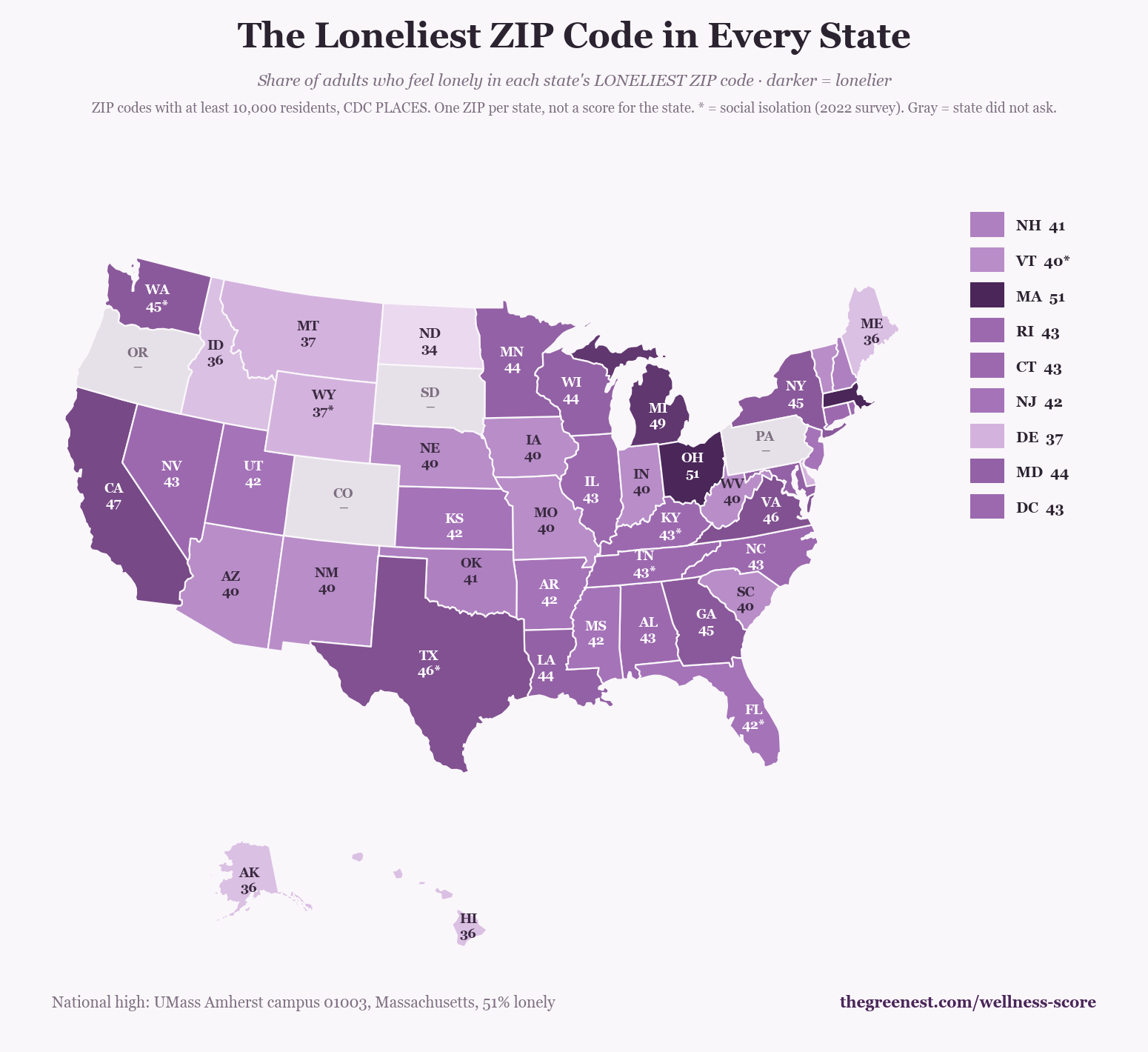
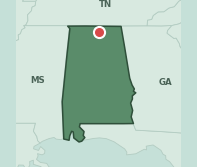
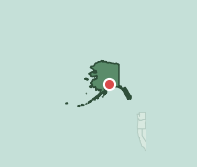
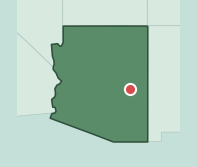
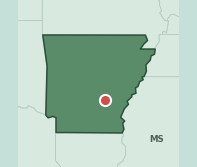
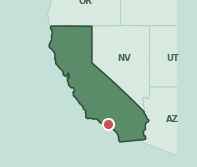
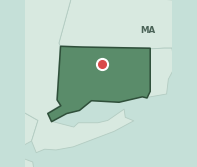
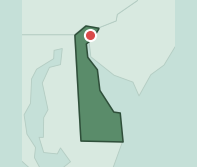
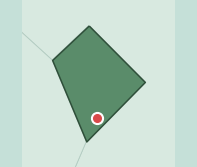
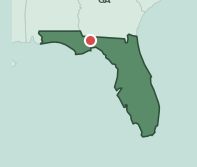
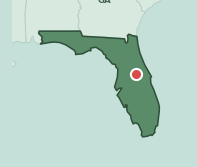 The loneliest neighborhood in Florida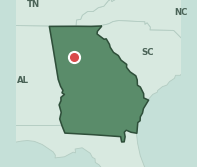
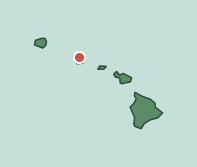
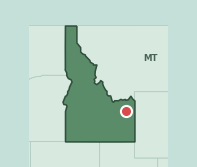
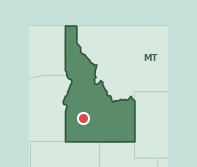 The loneliest neighborhood in Idaho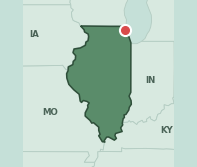
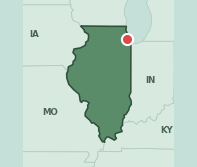 The loneliest neighborhood in Illinois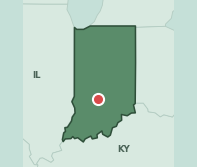
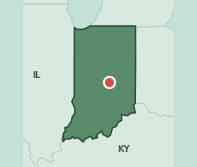 The loneliest neighborhood in Indiana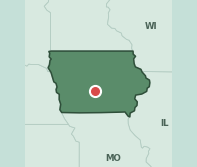
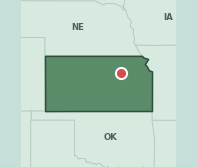
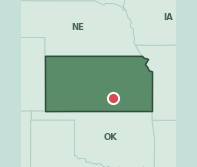 The loneliest neighborhood in Kansas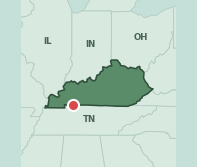
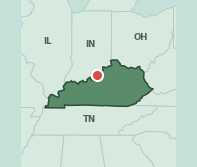 The loneliest neighborhood in Kentucky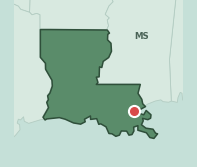
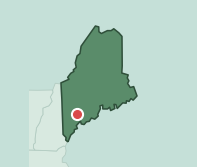
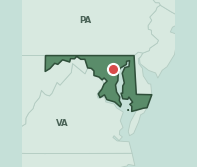
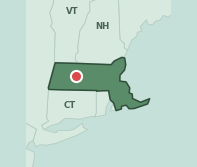
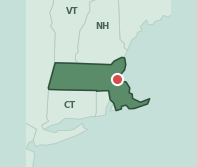 The loneliest neighborhood in Massachusetts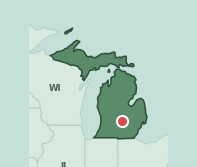
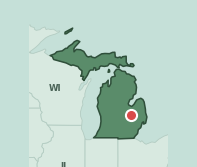 The loneliest neighborhood in Michigan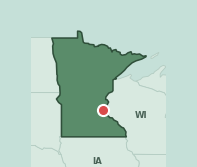
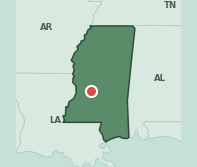
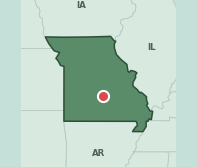
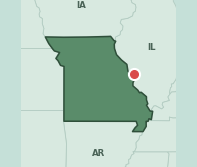 The loneliest neighborhood in Missouri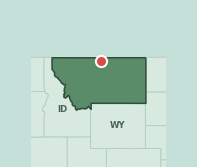
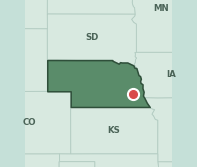
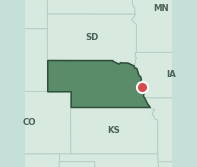 The loneliest neighborhood in Nebraska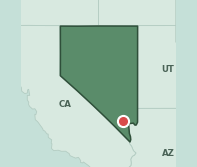
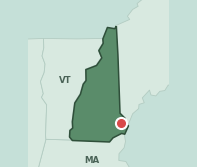
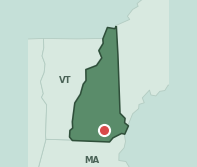 The loneliest neighborhood in New Hampshire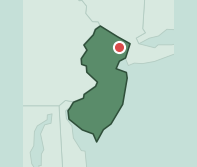
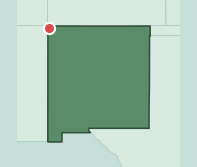
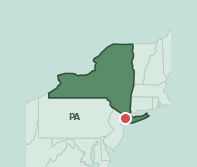
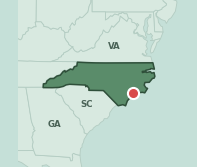
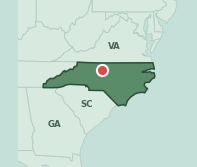 The loneliest neighborhood in North Carolina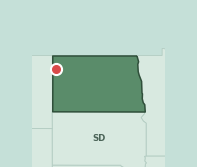
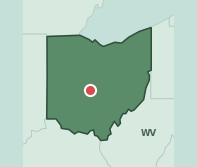
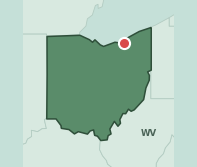 The loneliest neighborhood in Ohio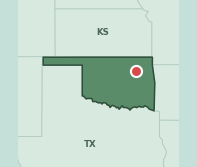
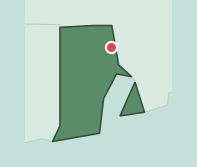
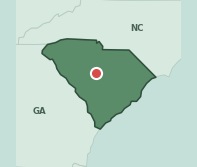
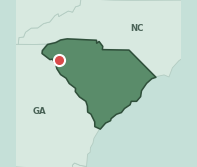 The loneliest neighborhood in South Carolina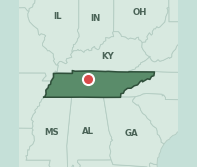
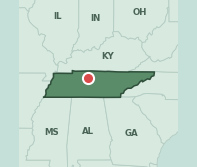 The loneliest neighborhood in Tennessee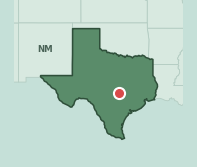
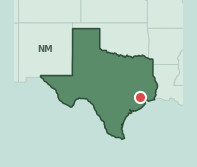 The loneliest neighborhood in Texas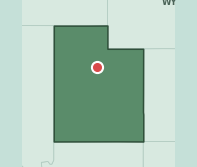
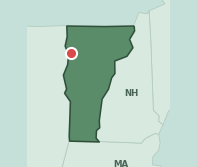
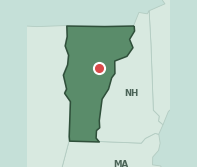 The loneliest neighborhood in Vermont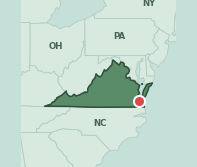
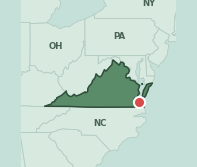 The loneliest neighborhood in Virginia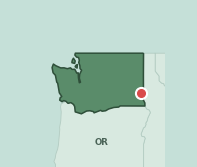
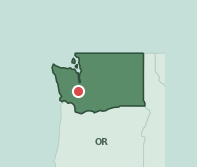 The loneliest neighborhood in Washington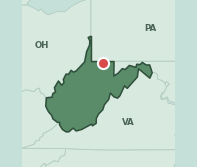
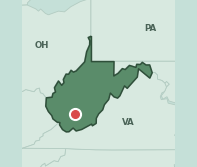 The loneliest neighborhood in West Virginia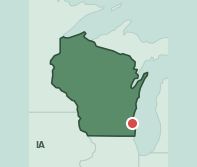
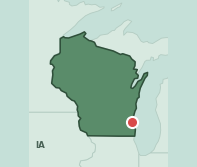 The loneliest neighborhood in Wisconsin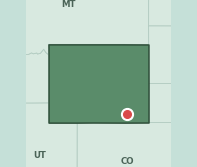
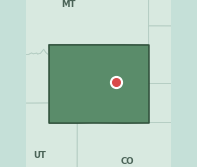 The loneliest neighborhood in Wyoming