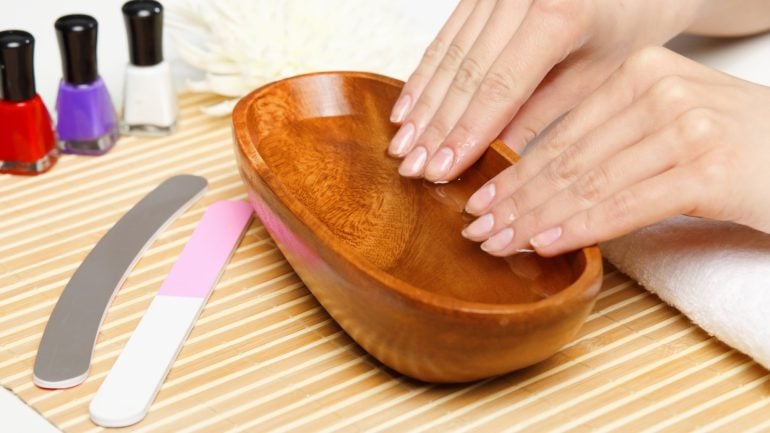
A good nail treatment doesn’t have to be complicated. Sometimes oils, oatmeal, aloe, and other kitchen staples can help soften dry cuticles or make brittle nails look healthier. But some popular treatments don’t deliver on their claims. They might just give you a temporary, cosmetic fix. Or they could irritate your skin, exacerbate dryness, or delay proper treatment for an infection. Here’s what eight common two-ingredient nail soaks can really do, and how to use them more safely.
1. Olive Oil and Lemon Juice for Stronger Nails
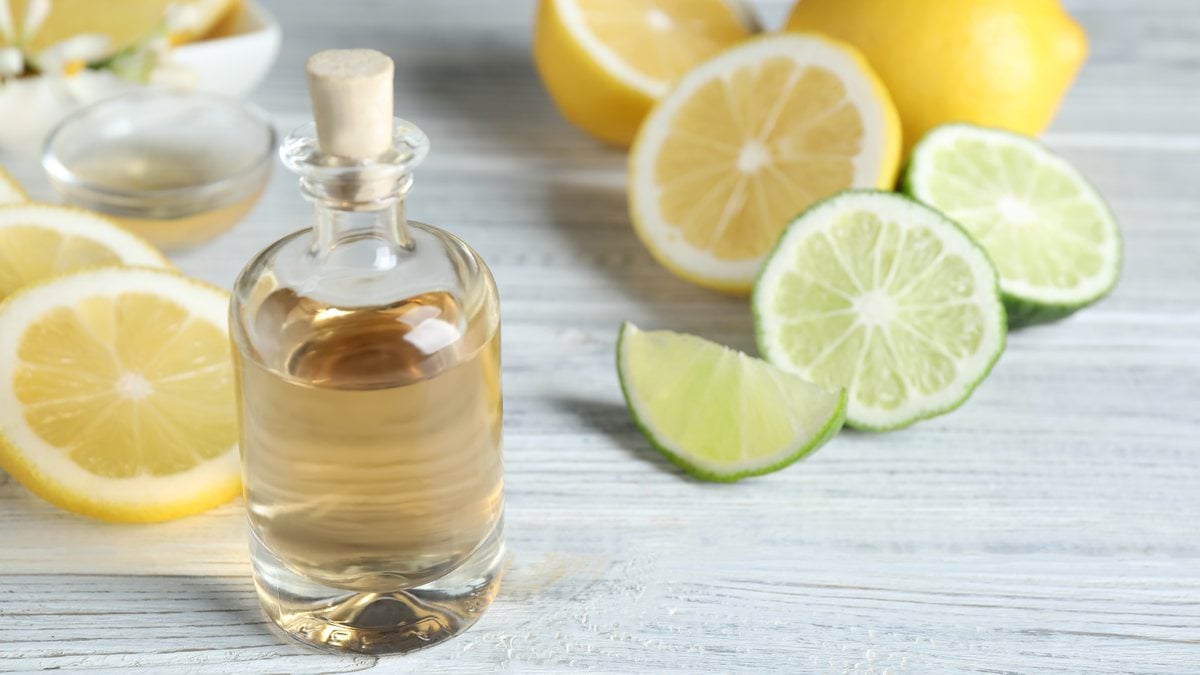
Lemon juice won’t bleach your nails white and can’t remedy the cause of any staining. However, the acid in lemons could remove surface level gunk and may temporarily lighten some discoloration. While olive oil can’t repair a cracked nail or permanently strengthen thin nails, its benefits for your nails aren’t entirely without merit. Dry nails can become brittle, and brittle nails break easier (and persistent brittleness is more often a nutritional story than a topical one), but brittleness caused by dryness can be prevented with adequate moisturizing. Plant oils, like olive oil, create a coating on the nail and surrounding skin, reducing moisture loss and helping to soften rough cuticles.
When you put fresh lemon juice on your fingers and nails it can sting any small cuts you have (including hangnails.) And there is also a side effect that happens when citrus juice is left on the skin called phytophotodermatitis, where it interacts with ultraviolet light and causes blisters and redness.
You might think that diluting the lemon juice with olive oil would fix that. But it doesn’t. If you have citrus on your hands you should wash it off thoroughly and not go into direct sunlight for a while after. And just skip it altogether if you have any cuts, broken cuticles or eczema.
Alternatively, a safer choice would be plain olive oil. Rub a couple of drops into clean nails and cuticles. Let it sit for a few minutes before wiping off the excess.
Bottom line: Olive oil will soften dry nails; lemon juice just irritates and doesn’t strengthen them.
2. Baking Soda and Water for Brighter Nails
A paste made with baking soda and a little bit of water can also be mildly abrasive. The paste might remove some dirt, polish, and surface grime from the nail.
Unfortunately, however stubborn that discoloration is, there’s no scrubbing it off. Dark nail polish may leave your nails looking orange or yellow, but that discoloration will fade with time. An injury to the nail may result in a dark discoloration or white spots. Other reasons nails discolor include bacteria under the nail, a fungal infection, certain medications, psoriasis and a host of other medical conditions.
Scrubbing vigorously won’t reverse any of these conditions and can potentially worsen brittle or otherwise weakened nails.
If you want to try this remedy to remove any residue, limit exposure to baking soda as it’s alkaline and healthy skin is slightly acidic. Frequent application can potentially disturb your skin barrier and dry it out.
Use only a little bit of baking soda and add enough water to make a loose paste. Apply gently to nails, without scrubbing, as aggressive rubbing can damage nails that are peeling and irritate surrounding skin. Rinse well and apply moisturizer afterwards.
Make sure you don’t scrape under your nails with a sharp tool. That can sound like a good idea, but what can happen is the nail can separate from the nail bed, which lets bacteria or fungi potentially grow there.
Instead of attempting to remove the stain, try to prevent it. You can do this by applying a clear base coat prior to using dark or bright-colored polishes. Let your stained nails grow out.
Bottom line: Baking soda might be able to get rid of some superficial stains, but it can’t get rid of deep discoloration or an unhealthy nail.
3. Coconut Oil and Honey for Dry Cuticles
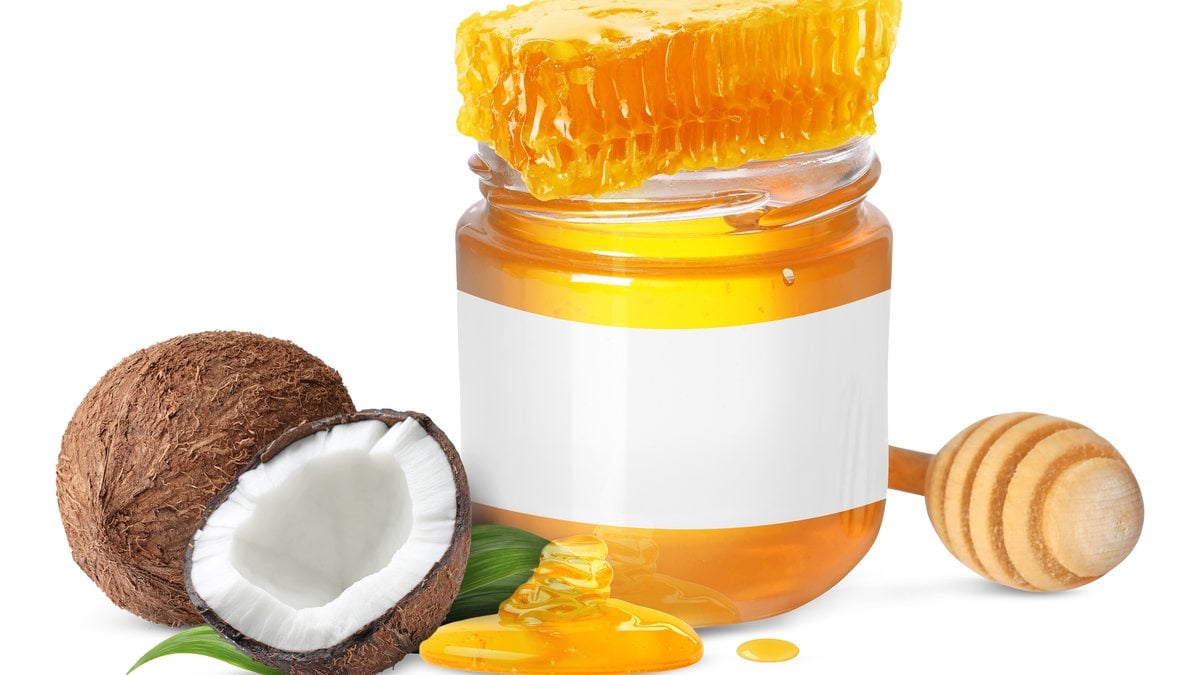
This pairing works better as a mask than as a soak, but coconut oil and honey are both said to soften dry skin. Coconut oil is an emollient (meaning that it seeps into spaces between flaky, rough skin cells and also forms a layer over your skin that prevents your moisture from escaping) and honey draws in water, so together they may feel hydrating. The benefits, if any, will be more outside the nail than in. Keeping your cuticles moisturized can keep them supple and may mean that they’re less likely to split, which is how hangnails start. The cuticle covers the gap where your skin meets your nail, so don’t cut it. Removing that seal gives bacteria and fungi an easier way in. To use as a mask, mix together a tiny amount of coconut oil with some honey, spread it around clean nails, leave it for 5 to 10 minutes, then rinse gently, pat your hands dry and moisturize with an unscented cream.
Don’t put the same honey you have in your pantry on your skin. That is different from the sterile medical honey used in clinical treatment. One is for making your food taste better, the other is for treating wounds.
The bottom line: This combo can soften unbroken skin and dry cuticles, but it won’t heal damaged nails.
4. Castor Oil and Vitamin E Oil for Nail Growth
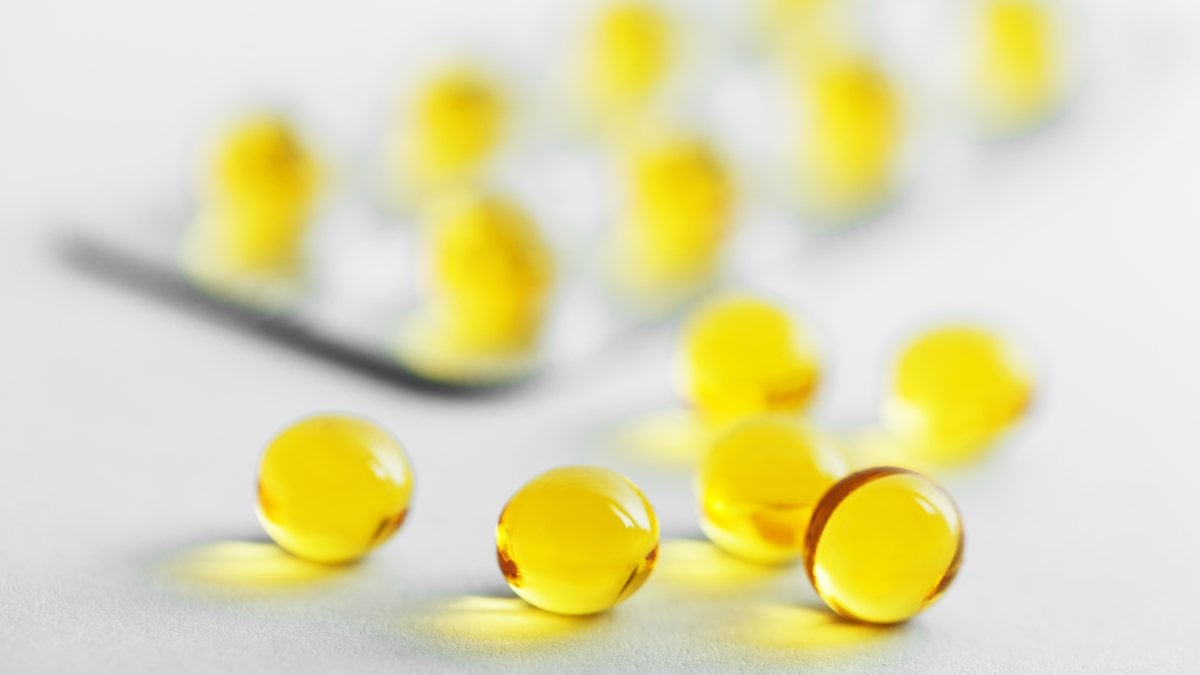
The combination of castor and vitamin E oils should be used as a cuticle treatment rather than a soak. Castor oil is very thick and will stay put longer than other oils and vitamin E is an emollient (meaning it has a softening effect) found in a variety of beauty products. Castor and vitamin E oils won’t reach the nail matrix deep enough to affect the rate at which your body produces nail, but they can help prevent breakage and keep the area around your nail moisturized. With less breakage, your nails will be able to grow longer and may appear as though they are growing faster. Massage 1 to 2 drops around each nail. There is no need for a tablespoon.
Since vitamin E can cause dermatitis in some people when it comes into contact with their skin, you should try this on a small patch first to see if it causes any swelling, redness or blisters.
You’ll see biotin supplements advertised as a nail growth supplement. But most people get more than enough biotin in their diet. And high doses can interfere with lab tests, causing them to miss heart and thyroid issues. Talk to your clinician before adding any supplements.
The takeaway? Castor and vitamin E oil may help moisturize your nails and stop them from drying out, but there’s no evidence that they’ll make them grow any quicker.
5. Argan Oil and Aloe Gel for Hydration
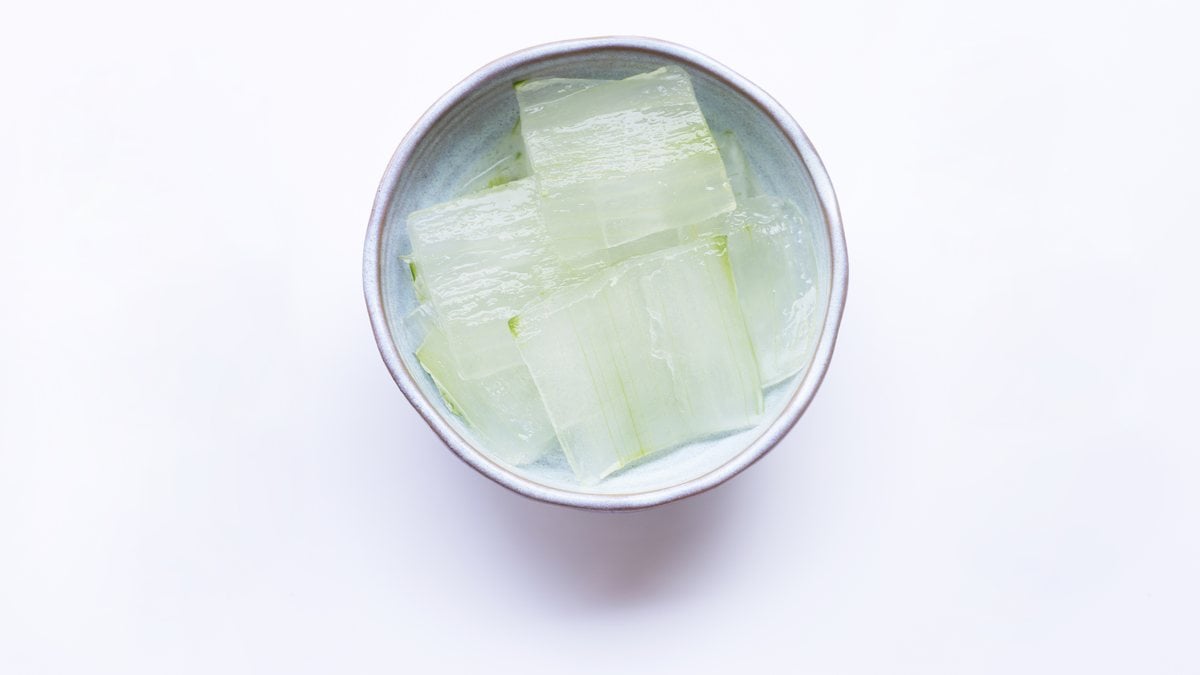
Argan oil has fatty acids which can help soften rough skin. Aloe gel hydrates and has a cooling effect. Used together these may help to soothe dry, uncomfortable cuticles. Aloe and oil do not mix well (unless an emulsifier is added), so are likely to separate quickly if you blend them together. Instead, try applying them separately, use a small amount of aloe gel and rub into cuticles, and once this has been absorbed apply a drop of argan oil (or a fragrance-free hand or cuticle cream) to help seal in the hydration. Not all aloe gels are suitable, some contain additives, for example perfumes, which may irritate cuticles and cause contact dermatitis. Some also contain alcohol, which has the opposite, drying effect to the one you want. ‘Natural’ doesn’t always mean suitable for skin, so check the ingredients before using. Aloe and argan oil can cause allergic reactions in some people. Check you can tolerate both by applying to a small area first before using on all your nails. Stop use if you get any itching, redness, swelling or pain.
Bottom line: Argan oil and aloe can both help to hydrate dry skin, but using them separately is simpler and more beneficial than combining the two.
6. Hydrogen Peroxide and Water for Whiter Nails
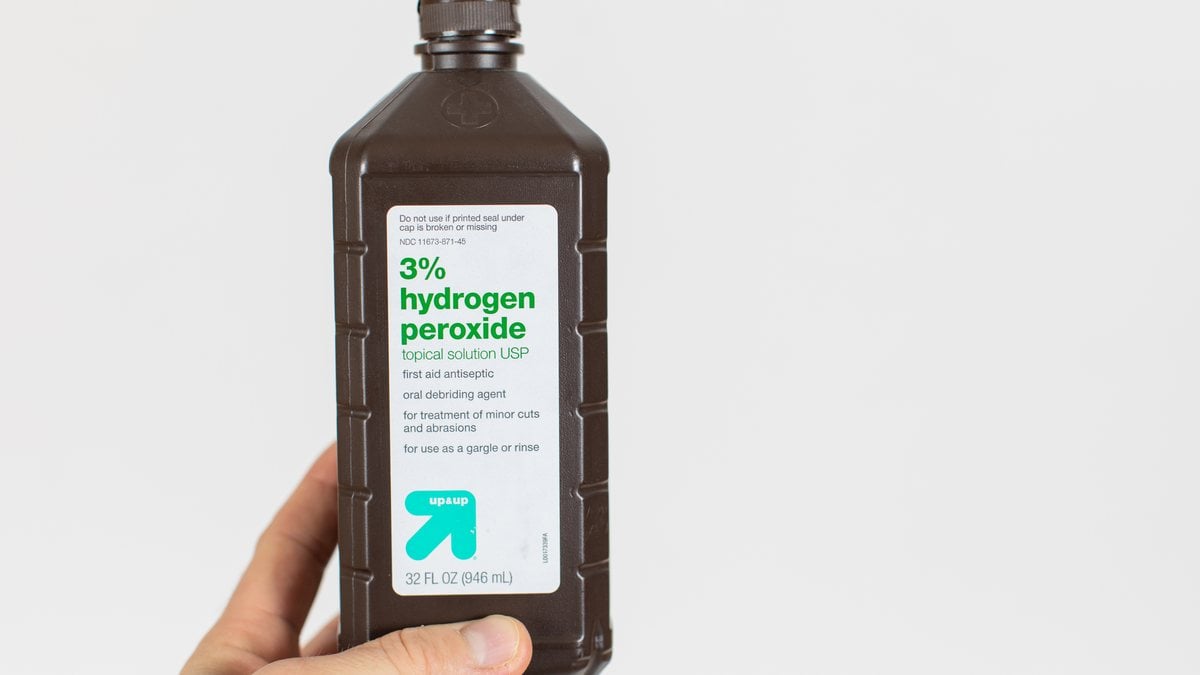
Hydrogen peroxide is an oxidizing agent that breaks down pigment, which is why it is an ingredient in some household and personal care products. Diluted hydrogen peroxide is widely available at drugstores. It comes most commonly in a 3 percent strength and can be further diluted with water. However, DIY hydrogen peroxide soaks aren’t recommended for treating discoloration. Even diluted hydrogen peroxide can sting on cuts (think hangnails or cuticle damage) and may also dry out nails and surrounding skin. Used repeatedly, it may leave nails chalky and skin rough. You may also notice whitish patches on your skin after soaking in hydrogen peroxide. Hydrogen peroxide soaking may lighten some superficial stains, but discoloration and yellow nails may have many causes that peroxide soaking won’t help. Remember, brighter doesn’t necessarily mean healthier.
Don’t use peroxide to cover anything up. Yellow nails can mean you have a fungal infection. Green can mean bacteria. And dark red or anything purple could mean you have some injury somewhere under the nail.
And consult your physician if you see a brown or black nail band. Especially if it starts to change or goes into the surrounding skin. That’s not something to try and buff away.
The bottom line: Hydrogen peroxide can be drying and irritating. It usually doesn’t provide much of a whitening benefit to offset the risks.
7. Oatmeal and Warm Water for Softer Skin
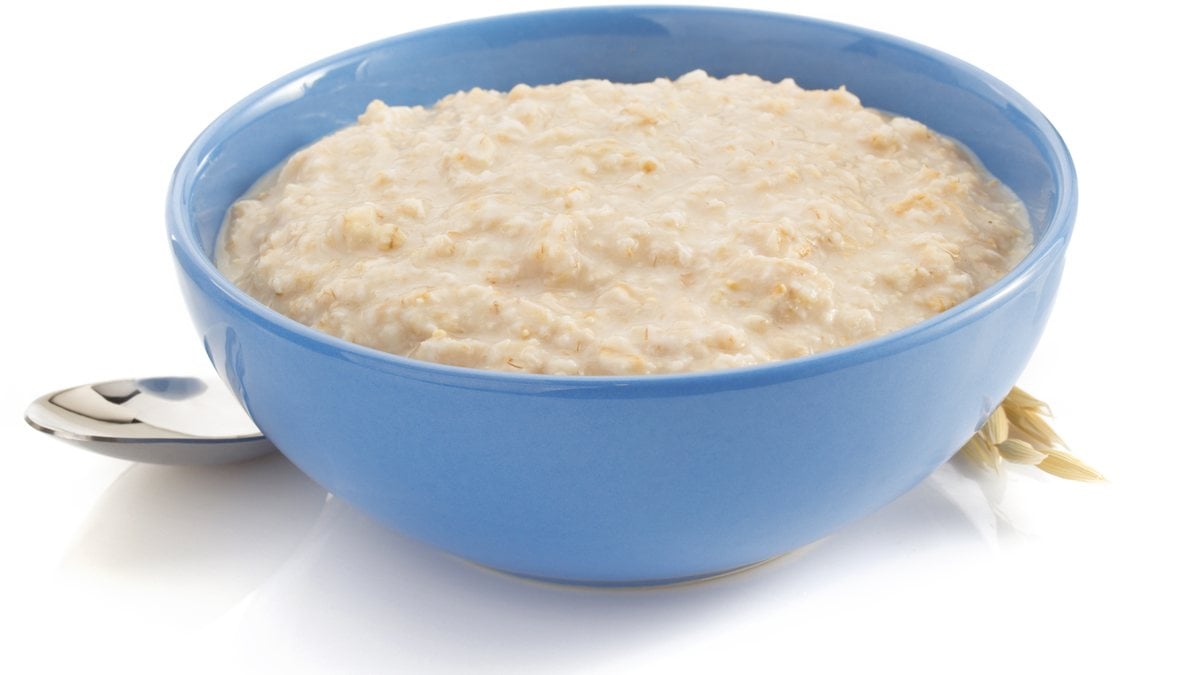
Oatmeal is not a new idea for skin care. Colloidal oatmeal, which is just finely ground oatmeal, is found in many creams, cleansers, and bath preparations for those with dry or sensitive skin. Oatmeal can act as a film-forming agent that helps soothe skin irritations.
You should note that kitchen oatmeal is coarser than colloidal oatmeal. Whole flakes won’t dissolve very well, and the particles could be abrasive on your already damaged cuticles. Grinding plain oats into a fine powder creates a smoother mixture. Just add a little of the ground oatmeal to a bowl of lukewarm water, because hot water can actually dehydrate the skin by removing its natural oils. Let your fingers soak for no more than five minutes, then rinse them off and pat them dry.
Don’t use flavored oatmeal because they have tons of added sugar and ingredients that can get in the way. Obviously skip this if you’re allergic to oats, too.
In short, finely ground oatmeal may help relieve symptoms of dry skin, but you should keep your bath brief and moisturize after.
The Greenest Recommends
8. Tea Tree Oil and Olive Oil for Nail Fungus
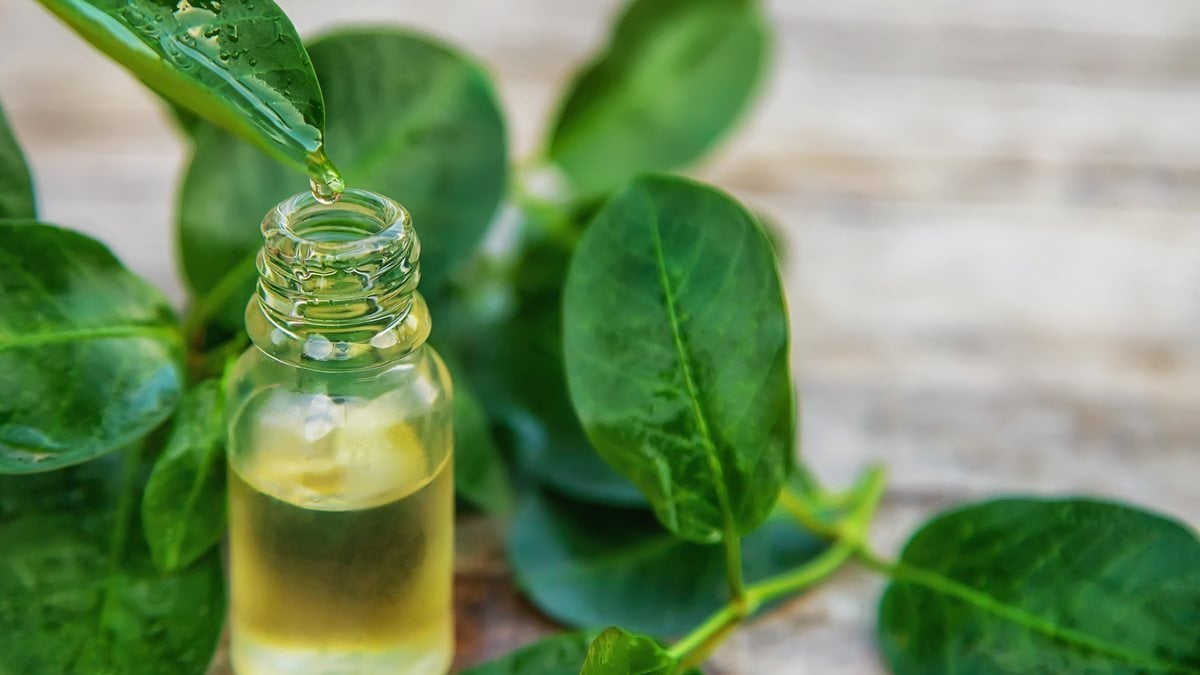
Tea tree oil is considered by some to be a natural antifungal. It’s known to have anti-microbial properties in lab studies. However, evidence of tea tree oil’s efficacy against fungal nail infections in humans is limited.
A thick nail makes it hard for any antifungal substance to do its work. A substance might be able to kill fungus in a petri dish, but not in large enough quantities to reach a thick fingernail.
Don’t use this without diluting it. Tea tree oil can cause burning, redness, itching, and allergic contact dermatitis, and a mixture containing a large proportion of essential oil increases that risk.
The National Center for Complementary and Integrative Health says that there’s only been a few studies that looked at tea tree oil and fungal infections. Right now the research isn’t strong enough to prove that it works.
Never swallow tea tree oil
Don’t ever try to drink tea tree oil, and keep it away from children and pets.
Before opting for tea tree oil, make sure that there isn’t another reason (like trauma, eczema psoriasis etc) that is causing the issue.
The clinician may clip a small piece of nail or scrape some debris from under the nail. Testing is done to determine if there is fungus present, and to guide treatment. If fungus is confirmed, it can take several months for the infection to resolve, as the healthy nail must grow out. The treatment may include prescription-strength topical medicine, oral antifungal medications, thinning the nail, or a combination of these treatments.
If you have anything like diabetes, poor circulation or a weakened immunity, do not rely on home remedies like tea tree oil to fix a nail infection, unless your doctor says it is fine.
The take-home message here is that tea tree oil is not a substitute for a doctor’s diagnosis and prescription of antifungal medication. High concentration homebrew solutions may cause skin irritation.
What Can a Nail Soak Really Do?
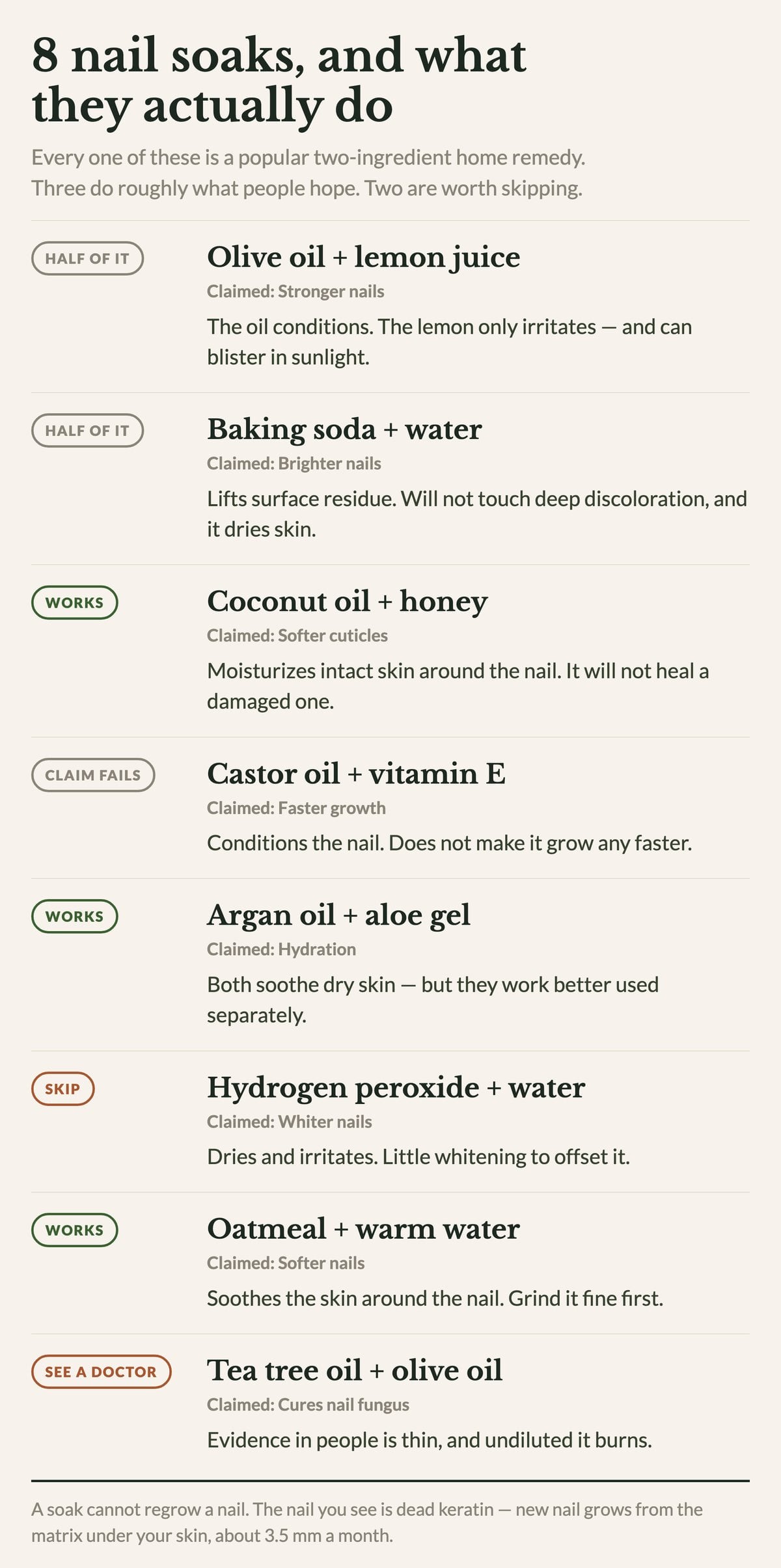
| Nail Soak | Claimed Benefit | What It Can Actually Do |
|---|---|---|
| Olive oil and lemon juice | Strengthen nails | Oil may condition dry nails, but lemon can irritate skin |
| Baking soda and water | Brighten nails | May remove surface residue, but can cause dryness |
| Coconut oil and honey | Soften cuticles | Can moisturize intact skin around the nails |
| Castor oil and vitamin E oil | Encourage growth | Conditions nails but will not accelerate growth |
| Argan oil and aloe gel | Hydrate nails | May soothe and moisturize dry skin |
| Hydrogen peroxide and water | Whiten nails | Can dry and irritate skin, with limited cosmetic value |
| Oatmeal and warm water | Soften nails | Better for soothing the surrounding skin |
| Tea tree oil and olive oil | Treat nail fungus | Evidence is limited, and strong mixtures can irritate skin |
Unfortunately, the soak won’t regrow the nail. Nails are made up of many layers of a protein called keratin (the same protein found in hair) and the part of the nail you see is actually made up of dead cells. Unlike living skin cells, nail cells aren’t able to heal themselves. Oils may help to limit dryness and improve the flexibility of your nails and a good moisturizer can help soften rough cuticles — and what you eat shows up in the skin around them too and prevent them from cracking (which can be painful), but neither will regenerate your nails from within. New nails grow from within the nail matrix, which lies beneath the skin at the base of your nail, so it will take time to grow a new healthy nail out to replace damaged nails.
How fast nails actually grow
Fingernails grow at a rate of about 3.5 millimeters per month, and toenails at about 1.6.
However, a warm soak can soften thick nails making them easier to carefully trim. Regular use of a good quality oil or cream can also help combat the effects of drying agents such as harsh winter weather, frequent hand-washing, cleaning products and nail polish removers. It’s important not to leave your nails in water for too long. Nails absorb water, swelling then contracting again as they dry out. Over time the repeated swelling and contracting caused by soaking up water will weaken the links between layers of the nails meaning the tips may start to split, peel or break. This is why the American Academy of Dermatology recommends protecting your nails from too much water and applying moisturizer after washing your hands. As a rule, a shorter treatment followed by the application of a rich moisturizer is likely to be better.
When to See a Dermatologist
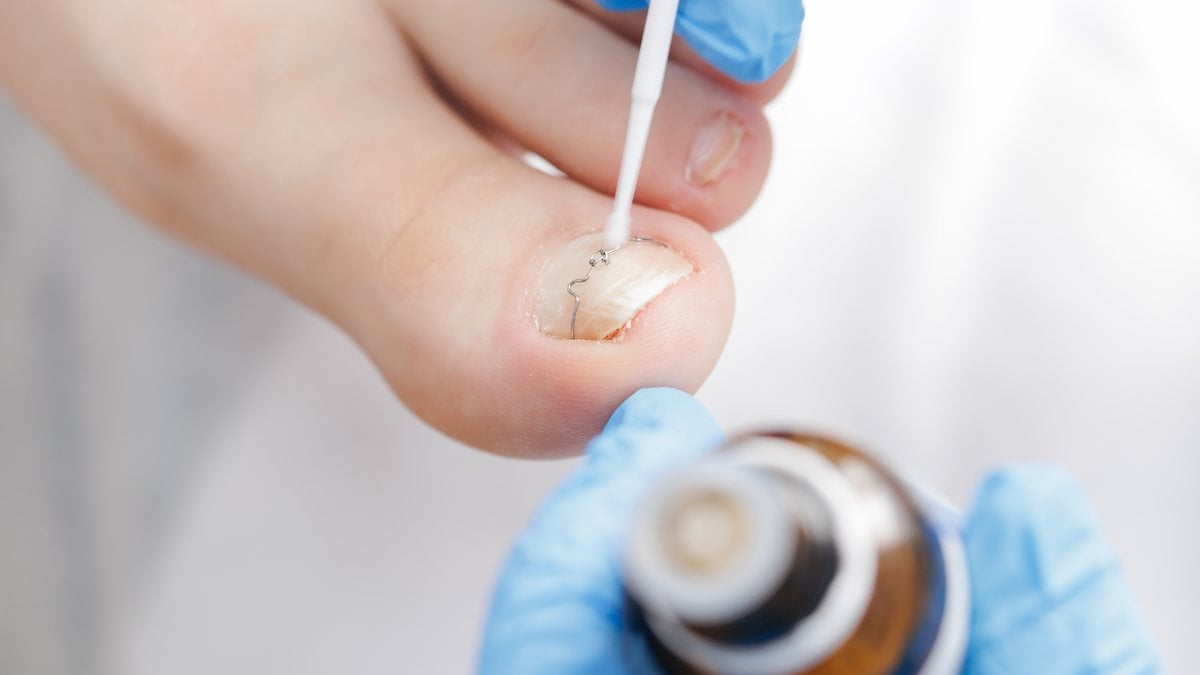
When should you resort to home care? When you have things like ordinary dryness, temporary polish stains or even mild brittleness. If you have pain, see a dermatologist right away.
Get it checked out if you see pus, or if it’s swollen and warm to the touch. Or if the nail seems to start to lift from its bed when you have not injured it.
If your nails get thick, crumble or start to smell off, get that checked out, too. That may mean you have some kind of infection.
If your nails start to show something called “clubbing” you should see someone. That’s when your nails start to grow down and around your fingers. If you see small pits, that may mean psoriasis. And if they start to look spoon shaped, it may mean an iron deficiency.
One thing to make sure you get checked out, too, is if you see a new black or brown streak across your nail. Most small, dark marks mean nothing, but if you see a band, get it checked out right away.
Most nail changes aren’t the sign of a serious health issue. Normal aging, trauma, manicures, medications, and daily activities can impact how they look. How long it lasts, the pattern, and any other symptoms usually separate ordinary wear from something that needs treatment.
Two-ingredient treatments simplify the process of nail care and provide accessibility. Ideal products hydrate and protect gently. Coconut oil, argan oil, olive oil, aloe and oatmeal might help dry skin if applied with caution.
Healthy nails don’t come from one soak; they come from protecting the cuticles, minimizing unnecessary water and chemical use, moisturizing regularly and letting the damaged part of the nail grow out. Sometimes the best beauty treatment is the simplest one.

Martha ‘Marti’ Jones founded Fitness Four after three decades of living with IBS, Hashimoto’s thyroiditis, and pernicious anemia.
Is your neighborhood healthy?
Get a free report on your tap water, air quality, walkability and more