Let me start with full transparency about my own cabinet. What’s actually under our sink right now is a healthy one called Molly’s Suds, dishwasher detergent and pods, but then also Dawn and Cascade pods.
So we’ve got a mix of “healthy” and not healthy. The switching isn’t all upside either. Sometimes those greener dishwasher pods don’t hold up, and some of the laundry detergents have don’t get the job done the way they need to.
It’s a bummer when you do your wash and the dishes are still dirty and your clothes don’t smell that great. But the problem is you also don’t want your clothes to smell like chemicals, and you can tell the difference.
It’s a fine line to do your best to use the healthiest products possible, while still getting the surface, clothes and dishes clean.
When someone asks me whether worrying about the toxicity of household cleaning products is real or just internet fear-mongering, I break it down to the elements. Would you hang out in a chemical factory all day? Would you sleep in one while they’re cooking up chemicals?
It’s an analogy, but if you’re using a ton of highly, highly toxic chemicals in your house all the time, you’re doing a smaller version of that. So you need to think about it, and ask what’s the worst thing that can happen. The labels that earn a second look are below.
The Ingredients Worth Reading Off a Label
Methylisothiazolinone (MI/MCI) — the preservative behind an allergy epidemic
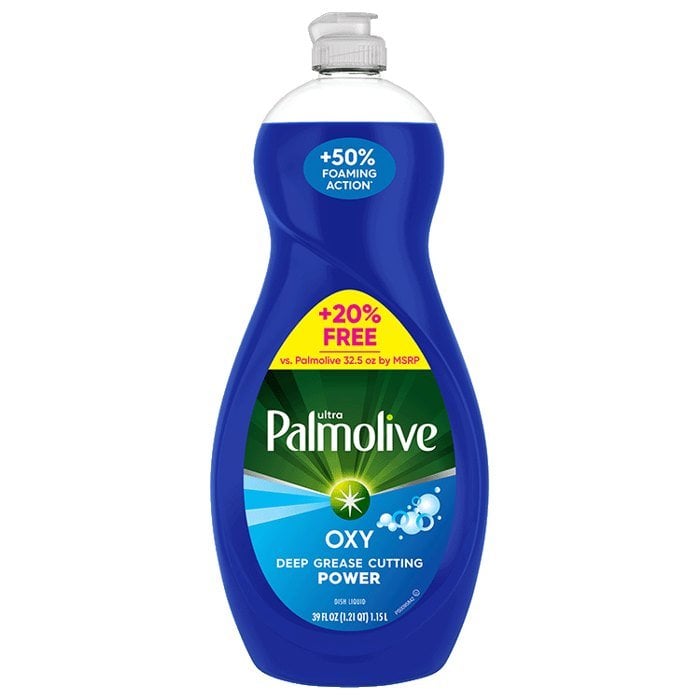
On the label: methylisothiazolinone, methylchloroisothiazolinone, MI, MCI
Common in: liquid household cleaners and personal care products — including Palmolive Ultra Oxy Power Degreaser, per Colgate-Palmolive’s published ingredient list.
Contact allergen. Banned from leave-on cosmetics in the EU in 2017 after a documented allergy “epidemic.” Still common in U.S. household cleaners.
Sodium hypochlorite — plain bleach, and a confirmed asthma trigger
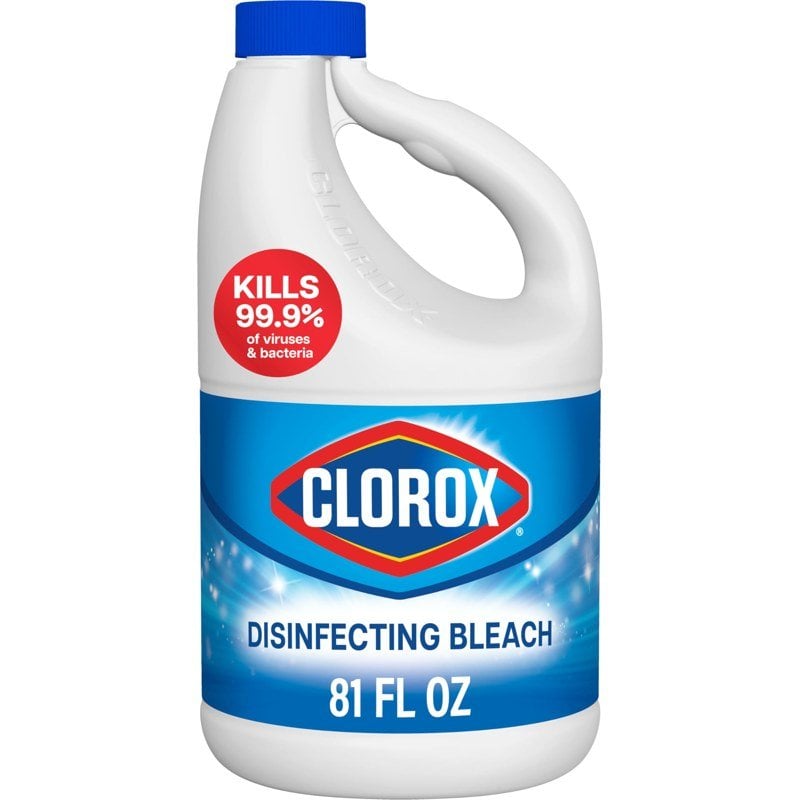
On the label: sodium hypochlorite
Common in: anything labelled bleach or disinfecting bleach
Respiratory irritant and confirmed asthma trigger. Especially harmful when mixed with ammonia or acidic cleaners. Generates chloramine vapor.
“Fragrance” — one word that can hide 3,000 chemicals
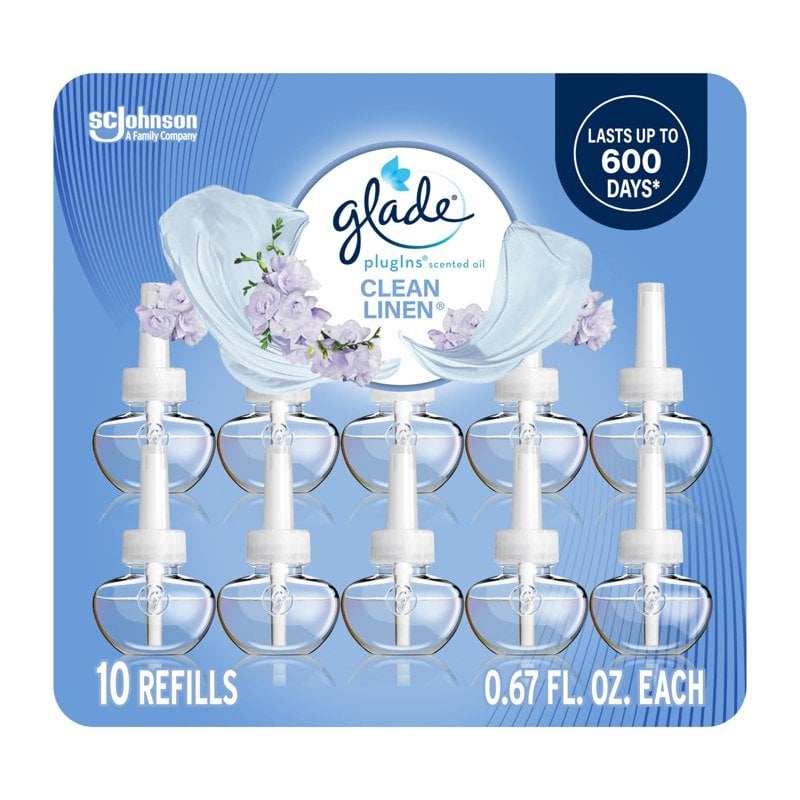
On the label: fragrance, parfum
Common in: air fresheners, scented cleaners, fabric softeners, candles
This is one of those marketing loopholes that sound good but can have a very sinister meaning. A single “fragrance” ingredient can hide up to 3,000 undisclosed chemicals, including known phthalates and allergens.
And when most of us hear the word “fragrance” we think of something lovely like the smell of flowers or herbs. These are the farthest things from natural smells as you can get. And they can be a Pandora’s box of very bad stuff.
Phthalates — hidden inside “fragrance” on U.S. labels
On the label: usually nothing — they sit inside the word “fragrance”
Common in: fragranced cleaners, air fresheners, fabric softeners
You don’t need to know how to pronounce these to know that they are not good for you. They can disrupt your endocrine system and have shown to have reproductive and other developmental defects in animals.
Ammonia and quats — in most disinfectant sprays and wipes
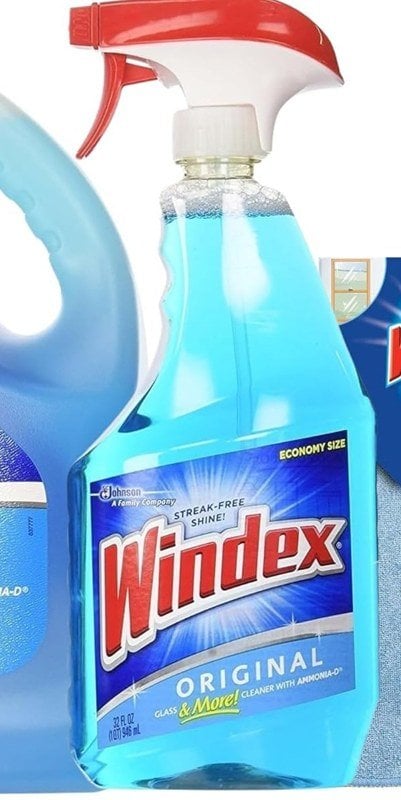
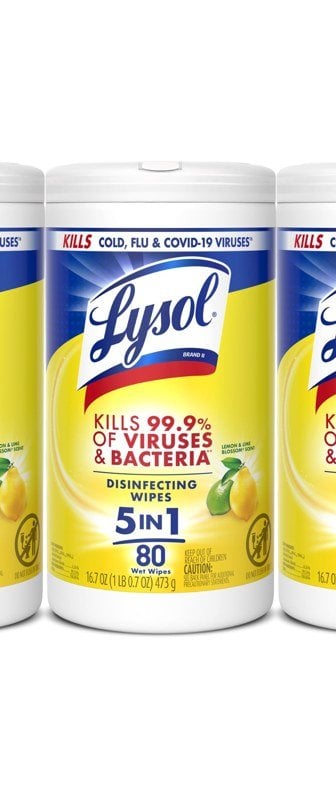
On the label: ammonia, or any ingredient ending in “-ammonium chloride”
Common in: glass cleaners, disinfecting wipes and sprays
You really want to make sure you’re working in a very ventilated area if you’re using products that have quats in them. And the truth is that quats are in most disinfectant sprays and wipes.
During Covid everyone was wiping everything down 100 times more than they were before. But quats have been shown to cause asthma in cleaning staff that use them on a regular basis.
Formaldehyde-releasers — a Group 1 carcinogen, released slowly
On the label: DMDM hydantoin, quaternium-15
Common in: liquid soaps and preserved cleaners
IARC Group 1 carcinogen — the highest classification. Released slowly by preservatives like DMDM hydantoin and quaternium-15.
PEGs and “-eth” ingredients — often contaminated with 1,4-dioxane
On the label: PEG-, polysorbate, anything ending in “-eth” (laureth, ceteth)
Common in: dish soaps, laundry detergents, degreasers
Often contaminated with 1,4-dioxane during manufacturing. 1,4-dioxane is an IARC Group 2B carcinogen and not removed by standard wastewater treatment.
Where They Hide on the Shelf
Per the manufacturers’ published ingredient lists, August 2026.
| Ingredient | EU status | U.S. status |
|---|---|---|
| Methylisothiazolinone (MI) | Banned in leave-on cosmetics (2017). Heavily restricted in wash-off. | Permitted in household cleaners and personal care. |
| Phthalates (DEHP, DBP, BBP) | Restricted in consumer products under REACH since 2007. DEHP banned in toys since 2005. | No federal restriction in household cleaners. Hidden under “fragrance.” |
| Formaldehyde-releasers | Use restricted; concentrations capped under EU cosmetic regulation. | Permitted; not capped at federal level. |
| 1,4-Dioxane (contaminant) | Limits under REACH; some member states require vacuum-stripping. | New York set a 1 ppm cap in 2023. No federal cap. |
| Quaternary ammonium (quats) | Subject to biocidal product regulation review. | EPA regulates as antimicrobial. Disclosure not always required. |
| Triclosan | Banned in most consumer products (2015). | FDA banned in hand soap (2017). Still permitted in some cleaners. |
| Fragrance (undisclosed) | Required to disclose 26 allergenic fragrance compounds individually. | May appear as one word, “fragrance,” covering up to ~3,000 chemicals. |
A couple of those are personal for me. Bleach is the one I go light on, especially with pets or animals around. You really wanna make sure you’re not overdoing it.
It’s such a toxic substance that, while it has its purposes and its uses, you definitely wanna limit it as much as you can. No dramatic incident stories, just the usual putting a load in the wrong spot and turning something a color white. Fragrance is the other one.
Scented candles are kind of a go-to for me depending on the time of year, especially when I’ve got people coming over, but then sometimes you just feel like you’re being bombarded with chemicals, so you really wanna get the right kind and make them as healthy as possible.
To be honest, I don’t even know if that’s possible. We don’t keep any of those little plug-in things, because those just seem like they can’t be good for your body, handling that all the time.
And the cheapest fix isn’t a product at all, it’s airflow. “Open your doors or windows for at least 10 minutes every day, the fresher outdoor air dilutes the pollution inside your home,” advises Dr. Karan Rajan, an NHS surgeon, who also flags damp-driven mold as an air-quality culprit worth a dehumidifier in bathrooms and basements.
The Brands Worth Switching To
Branch Basics
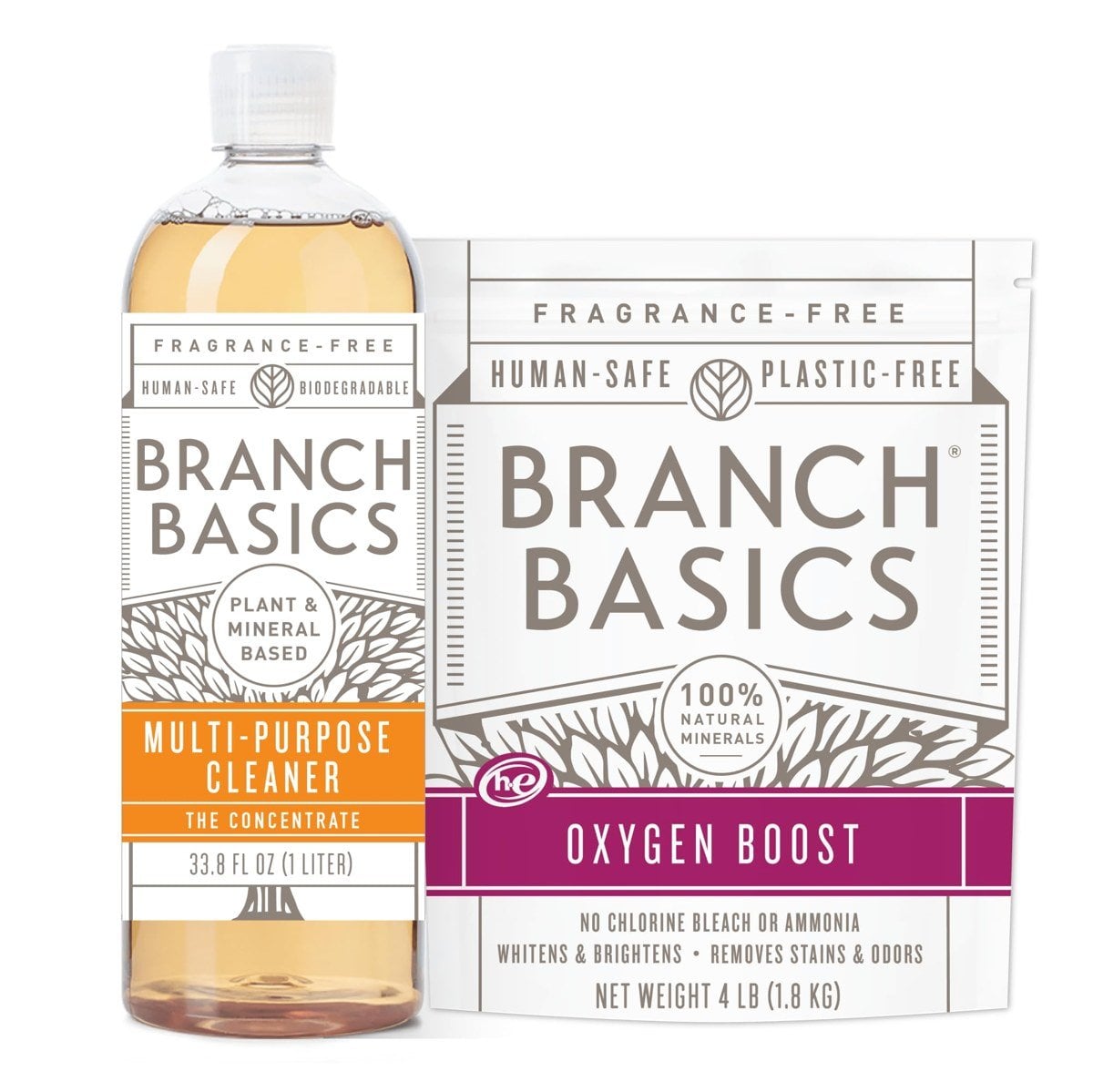
This is an all-in-one wonder. It can do the job of basically five cleaners. It’s a great one-stop-shop that you can leave under the sink and use in a number of ways.
Aunt Fannie’s
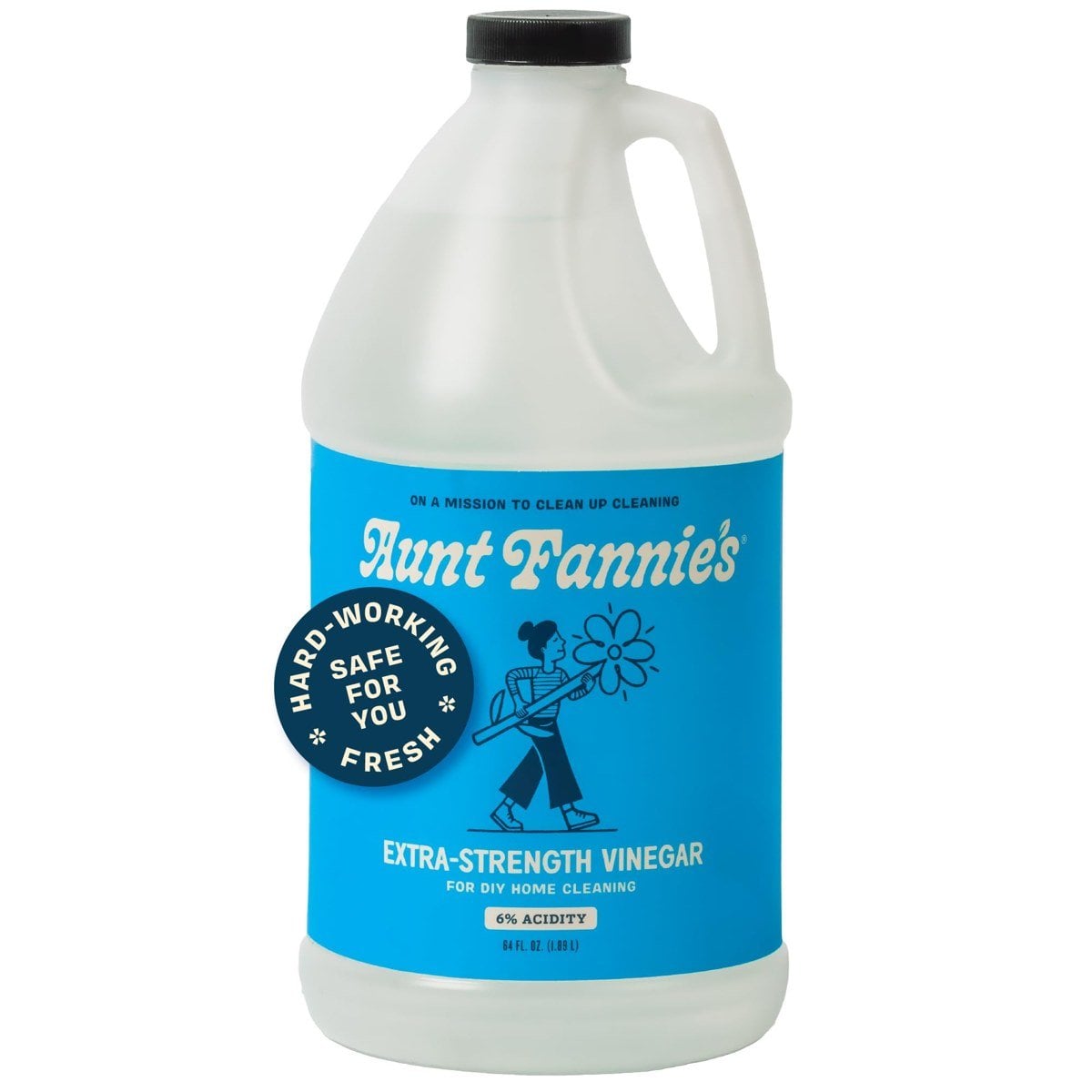
This EWG-rated cleaner is vinegar based. So you know it will get most jobs done, without causing serious health issues. Most vinegar-based cleaners work great for grease.
Attitude
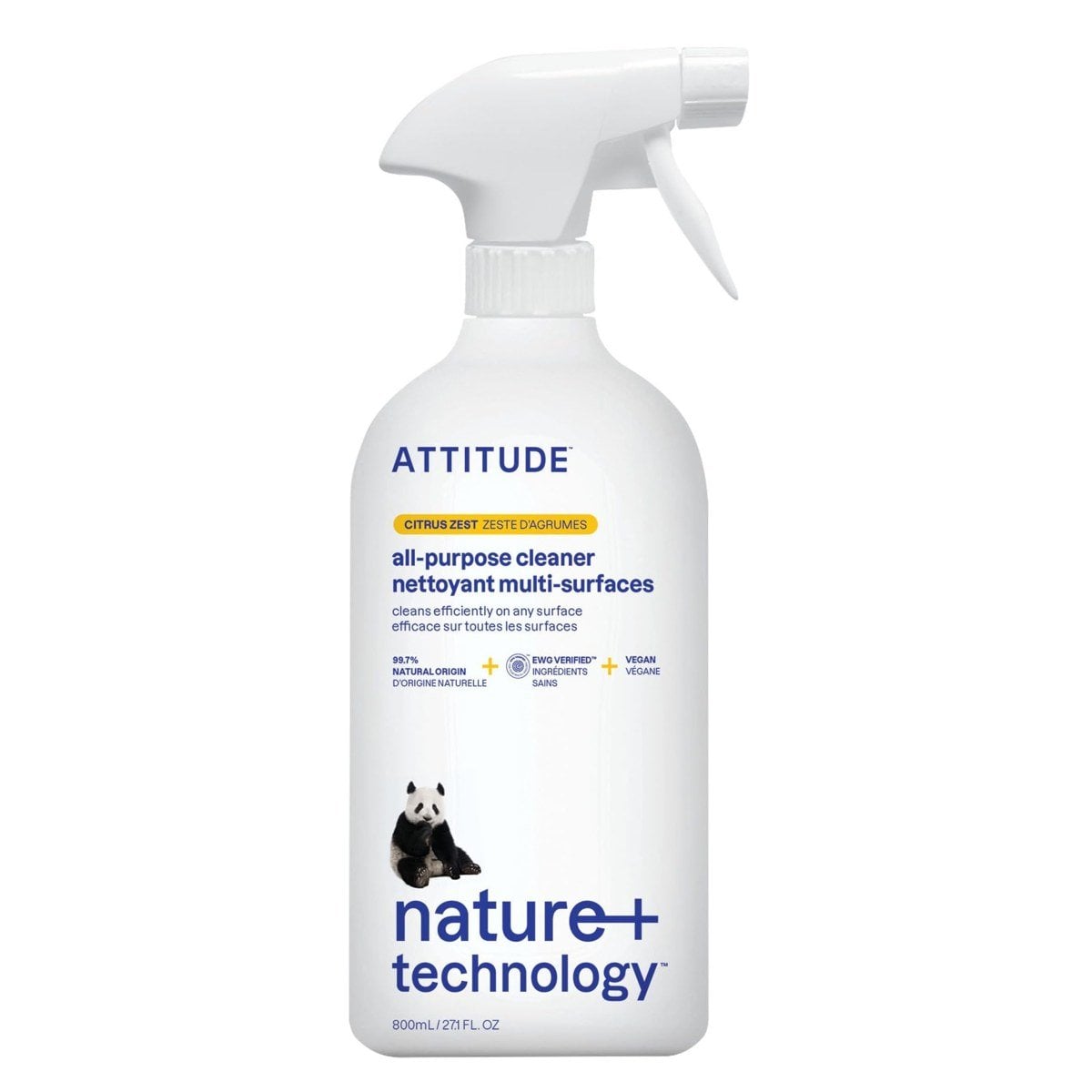
EWG Verified. Wide product range covers laundry, dish, hand soap, and surface. Strong choice if you want one brand for everything.
Plant Therapy
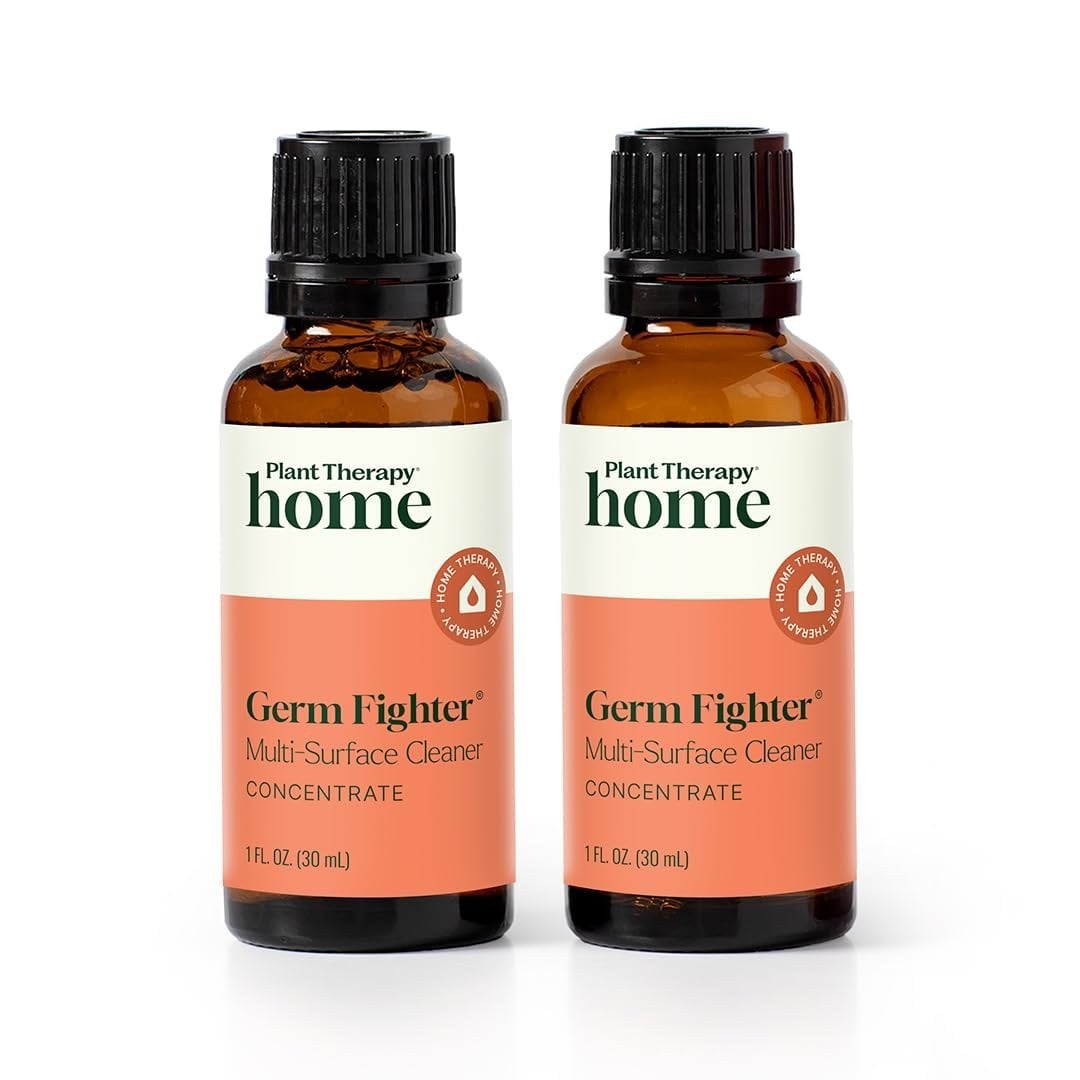
If you like scents, this is your choice. These fragrances are natural, not synthetic (like we discussed above.) Made with essential oils to do the cleaning job.
Truly Free
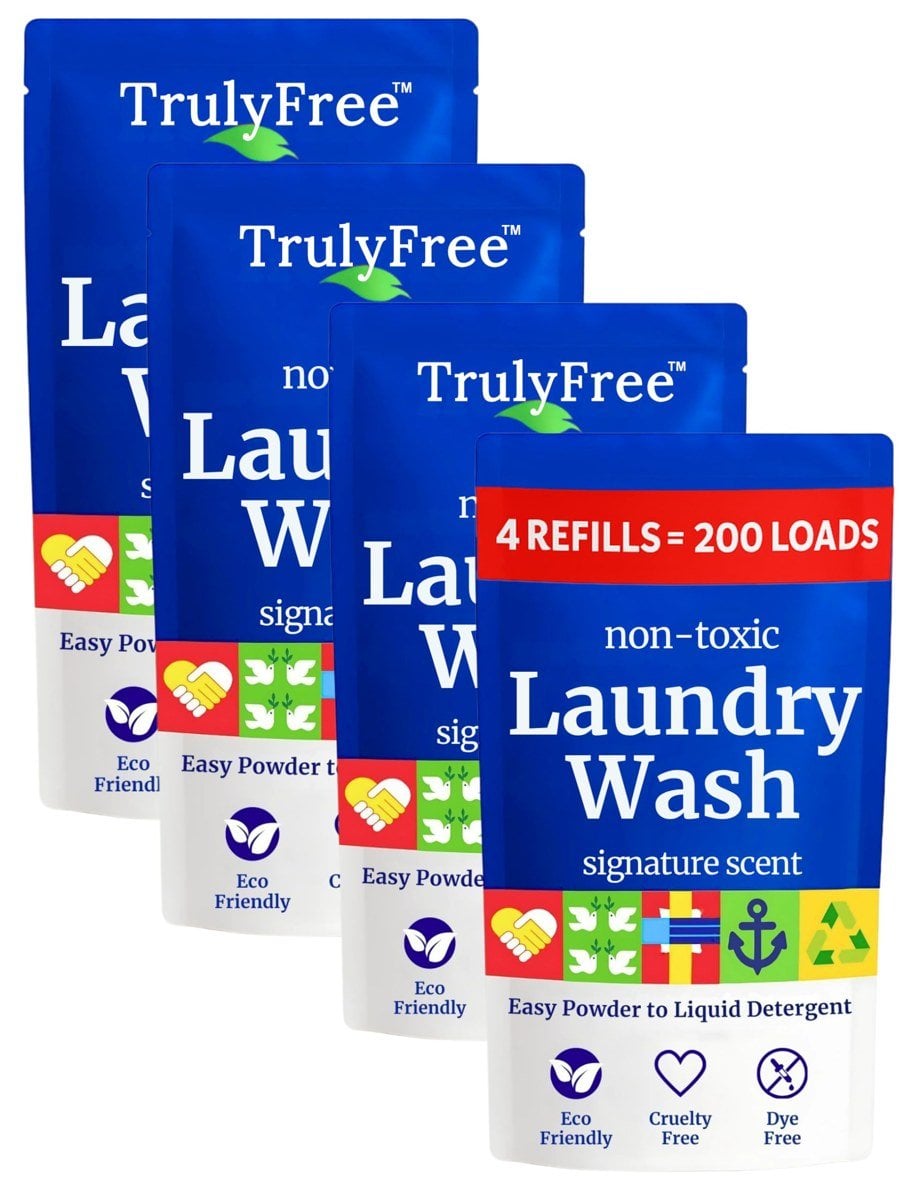
A great laundry and dish soap. And they also have the added benefit of bottle returns and refills to cut down on plastic usage.
Rowe Casa Organics (direct)
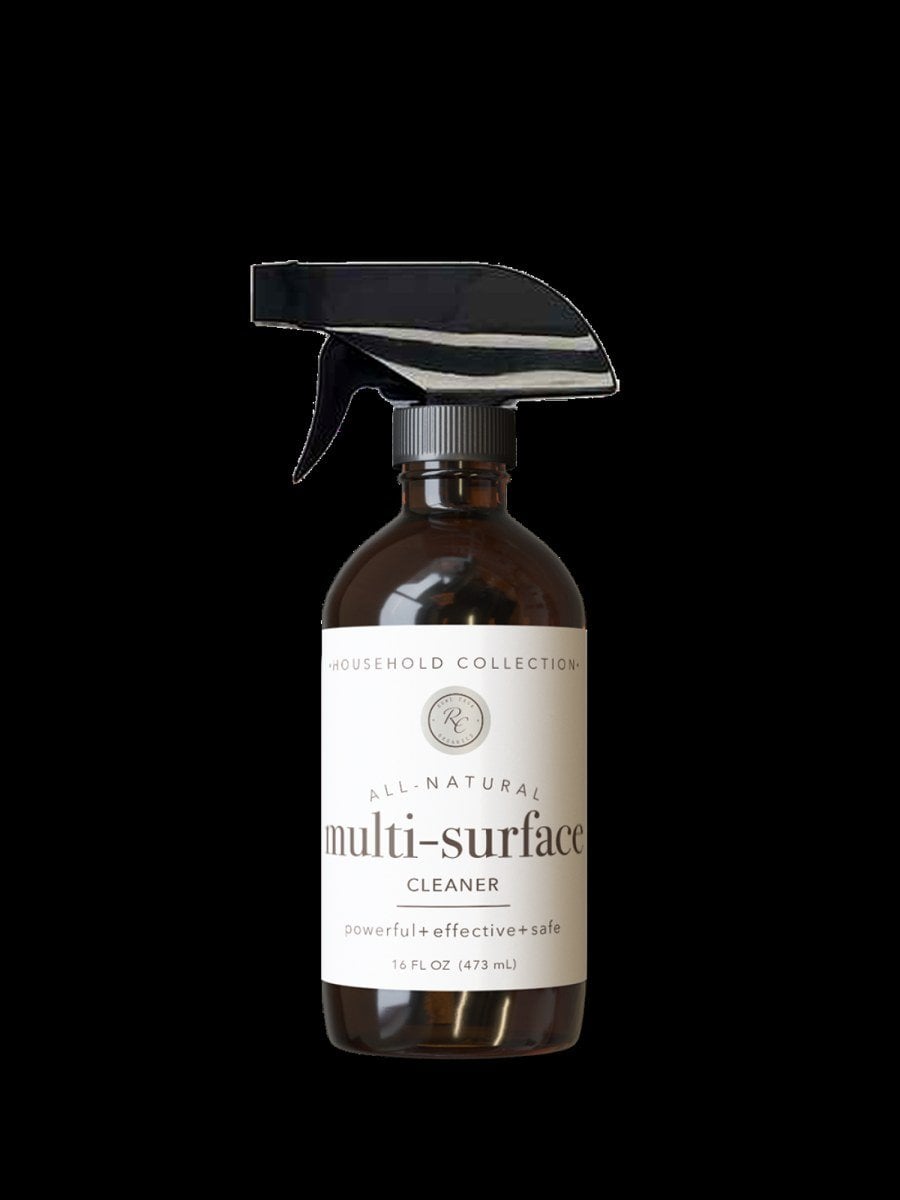
Direct-to-consumer organic line. Multi-surface cleaner and laundry detergent are the standouts. Brand site only.
| Brand | Best for | Certification | Where to buy |
|---|---|---|---|
| Branch Basics | One-bottle whole-house swap | EWG Verified | Amazon, brand site |
| Aunt Fannie’s | Kitchen grease & counters | EWG A-rated | Amazon, Whole Foods |
| Attitude | Wide range — one brand for laundry, dish, surface | EWG Verified | Amazon, brand site |
| Plant Therapy | Naturally-scented cleaners | Essential-oil based | Amazon, brand site |
| Truly Free | Laundry & dish, lowest plastic footprint | Bottle-return refill | Amazon, brand site |
| Rowe Casa Organics | Fully organic, multi-surface | Direct-to-consumer organic | Brand site only |
If I’m honest about the one product I’d never give up, it’s hard, but it’s probably the laundry detergent that actually gets things clean.
Or at least feels clean and smells clean. That’s the tension this whole thing lives in: nobody wants a chemical cocktail in the wash, but nobody wants to re-wash a load either.
The move that’s worked for us is switching the daily-use stuff to one of the cleaner brands above, reading labels for the worst offenders, and not throwing out everything we already own in a panic.

Joseph has been writing and editing for a wide variety of publications over the last decade. He loves covering news in the health and wellness space and has written extensively about all aspects of wellness for a wide range of publications.
Is your neighborhood healthy?
Get a free report on your tap water, air quality, walkability and more